
Why Fluoropolymers Matter in Pharma Environments
Pharmaceutical manufacturing does not reward material compromise. When product purity, cleanability and process reliability are all under scrutiny, materials used in contact with process fluids or in critical handling systems need to justify their place clearly. This is one reason fluoropolymers remain so important in pharmaceutical environments.
Materials such as FEP and PFA are valued because they combine chemical resistance, smooth surfaces, thermal capability and cleanliness in ways that suit demanding process operations. From tubing and fluid transfer to linings and specialist fabricated components, fluoropolymers often support the kind of stable, controlled conditions that pharmaceutical production depends on.
The first issue is purity. Pharma processes are highly sensitive to contamination, whether from product residues, cleaning agents, extractables or degraded materials. A tubing or lining material must do more than survive contact. It must remain suitable for repeated use in systems where contamination can have quality, regulatory and commercial consequences.
Fluoropolymers are attractive here because they are chemically inert relative to many other materials and offer very smooth surfaces that are easier to clean thoroughly. In practical terms, that can help reduce hold up, product adhesion and the likelihood of residues remaining after process changeover or cleaning. The cleaner and more stable the process contact surface, the easier it becomes to maintain controlled manufacture.
PFA and FEP: Key Materials for Pharma Applications
PFA is often a strong choice in pharmaceutical settings where higher temperature capability and high purity handling are both important. It is widely respected in process industries for demanding fluid handling applications because it combines strong chemical resistance with a clean smooth internal surface. In systems involving aggressive cleaning agents, repeated sterilisation or sensitive product streams, that performance profile is highly valuable.
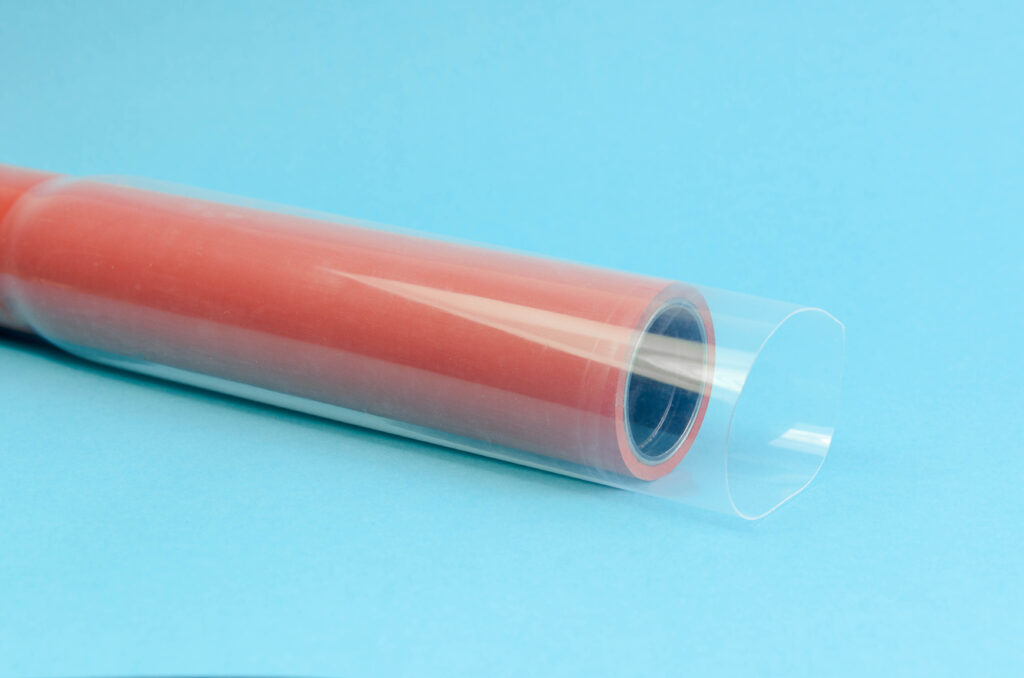
FEP also plays an important role, especially where transparency and clean handling are beneficial. The ability to see fluid flow or confirm cleaning state can be operationally helpful, and FEP’s clarity is one reason it is often considered in tubing and related applications. It also offers broad chemical resistance and good process cleanliness, making it useful in a wide range of pharmaceutical and life science adjacent environments.
The comparison between PFA and FEP is particularly relevant in pharma, where the choice often comes down to whether the application demands the higher temperature and purity performance of PFA or whether FEP’s transparency and broader availability make it the more practical option.
Compliance, Cleanability and CIP/SIP Compatibility
Compliance is obviously part of the conversation. Terms such as FDA compliance and USP Class VI are frequently mentioned in pharmaceutical material selection, but they should be understood properly. These are not casual labels. They sit within broader frameworks of suitability, testing and specification. In practice, manufacturers need to confirm that the exact material grade and finished component meet the relevant requirements for the intended use.
That is why supplier dialogue matters. A fluoropolymer may belong to a family commonly associated with pharma use, but the actual product supplied still needs to be considered in context. Grade, processing, documentation and application all matter. Pharmaceutical buyers should expect clarity, not vague reassurance.
Another major issue is cleanability. Pharmaceutical systems are often designed around rigorous cleaning and sterilisation procedures, including CIP and SIP regimes. Materials used in contact with product or process fluids need to tolerate repeated cleaning without losing integrity or becoming difficult to validate. Fluoropolymers are valued because they stand up well to aggressive media and high standards of washdown, while their smooth surfaces help support effective cleaning.
CIP, or clean in place, and SIP, or sterilise in place, place repeated thermal and chemical demands on materials. Tubing and linings that might perform acceptably in a less demanding industrial environment may not hold up properly here. This is where fluoropolymers can justify their specification. They support repeated cleaning cycles while maintaining the stable process contact surfaces required in controlled manufacture.
Operational and Maintenance Benefits
There is also a maintenance benefit. In pharmaceutical production, unscheduled intervention is disruptive not only because of downtime, but because of documentation, validation and quality control implications. Materials that resist chemical attack and are easier to keep clean can support more predictable operations. The value is not only technical. It is operational.
Fluoropolymers also help in applications where process media themselves are challenging. Solvents, aggressive intermediates and specialised cleaning chemistries can all narrow the material options available. A well selected fluoropolymer component may allow engineers to build a more robust system without resorting immediately to more complex or less practical alternatives.
Why Specialist Supply Matters in Regulated Manufacturing
For suppliers serving pharmaceutical manufacturing, credibility comes from precision. It is not enough to say a material is pharma grade in broad terms. Customers need to know why a fluoropolymer is appropriate for the application, what standards may be relevant, how the component is produced and whether the finished product aligns with the process requirement. That level of rigour is expected in pharmaceutical environments and rightly so.
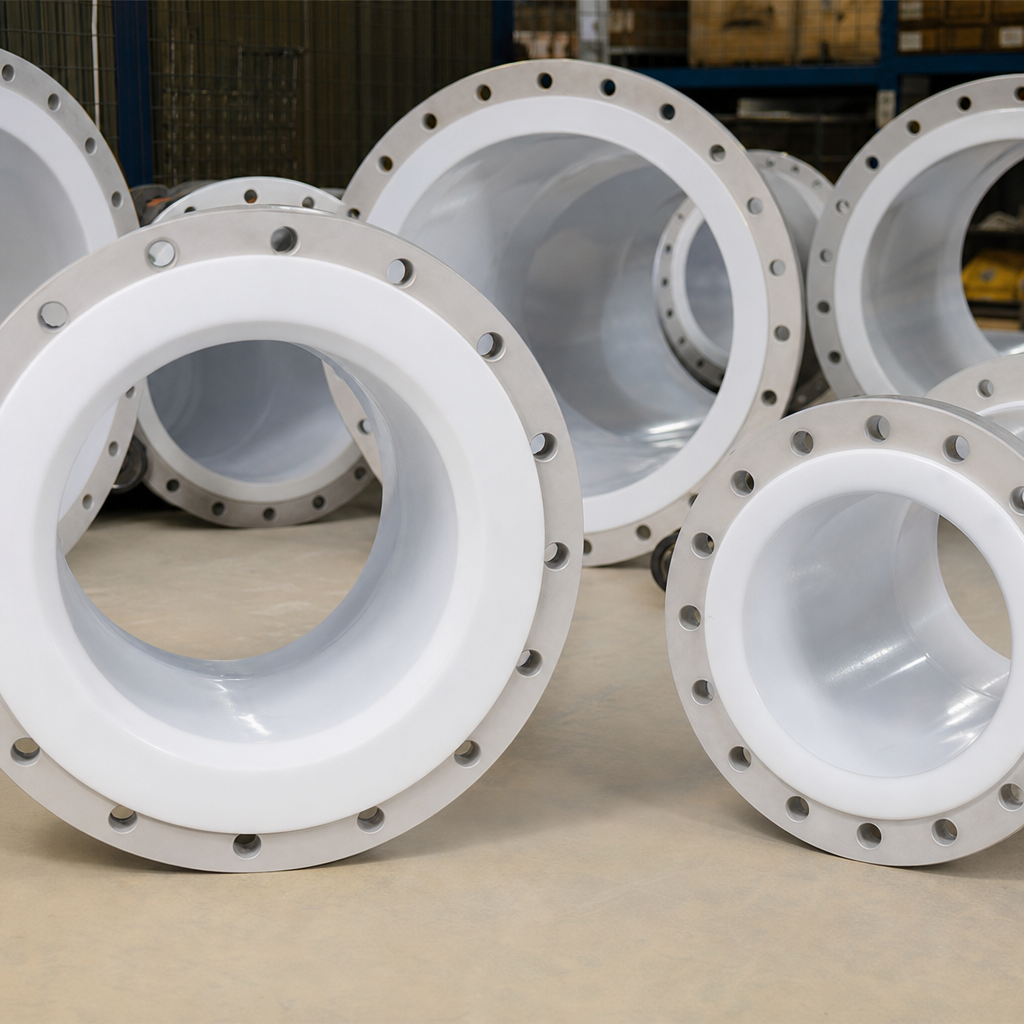
Holscot’s fluoropolymer expertise is relevant here because pharmaceutical applications often need specialist tubing, film, fabrication or lining support rather than generic plastic supply. The value lies in understanding not just the chemistry of the polymer, but the realities of manufacturing, dimensional control, process integration and application fit.
Holscot’s work in medical and life science adjacent applications, including precision medical tubing, demonstrates the kind of specialist extrusion and fabrication capability that pharma environments often require.
It is also worth noting that fluoropolymers in pharmaceutical manufacturing are not chosen only for compliance language. They are chosen because they perform. They resist attack, remain clean, support reliable transfer and help preserve process integrity. Compliance matters, but performance is what makes compliance workable in day to day production.
As pharmaceutical processes become more exacting and regulatory expectations remain high, material selection will stay under pressure. That tends to favour materials with proven records in high purity and chemically demanding environments. FEP and PFA continue to hold their place because they solve real process problems while supporting the cleanliness and consistency that pharma demands.
For manufacturers reviewing fluid paths, tubing or process contact components, fluoropolymers remain a serious option wherever purity, cleanability and chemical resistance need to coexist. The strongest outcomes come when the material is selected deliberately, documented properly and supplied by a partner who understands both fluoropolymer performance and the discipline of regulated manufacturing.
Contact Holscot to discuss fluoropolymer solutions for pharmaceutical and high-purity manufacturing applications.