
Why Choosing the Right Fluoropolymer Coating Matters
When engineers talk about non stick industrial coatings, the conversation often starts with PTFE because it is the most familiar name in the field. In many cases, that is justified. PTFE has earned its reputation by delivering reliable release performance across a wide range of manufacturing applications. But it is not the only fluoropolymer coating worth considering. FEP and PFA also play important roles, and in some situations they may be the better choice.
For manufacturing teams selecting a coating for rollers, moulds, belts, guides or processing equipment, the challenge is not simply to find a surface that is non stick. It is to find a surface that stays effective under the actual operating conditions of the line. Temperature, wear, cleanability, chemical exposure, finish quality and substrate compatibility all influence which fluoropolymer makes the most sense.
The first thing to understand is that PTFE, FEP and PFA belong to the same broad fluoropolymer family, but they do not behave identically. They share useful traits such as chemical resistance, low surface energy and strong release performance, yet each brings different strengths that matter in real industrial use.
PTFE: The Established Standard for Non-Stick Performance
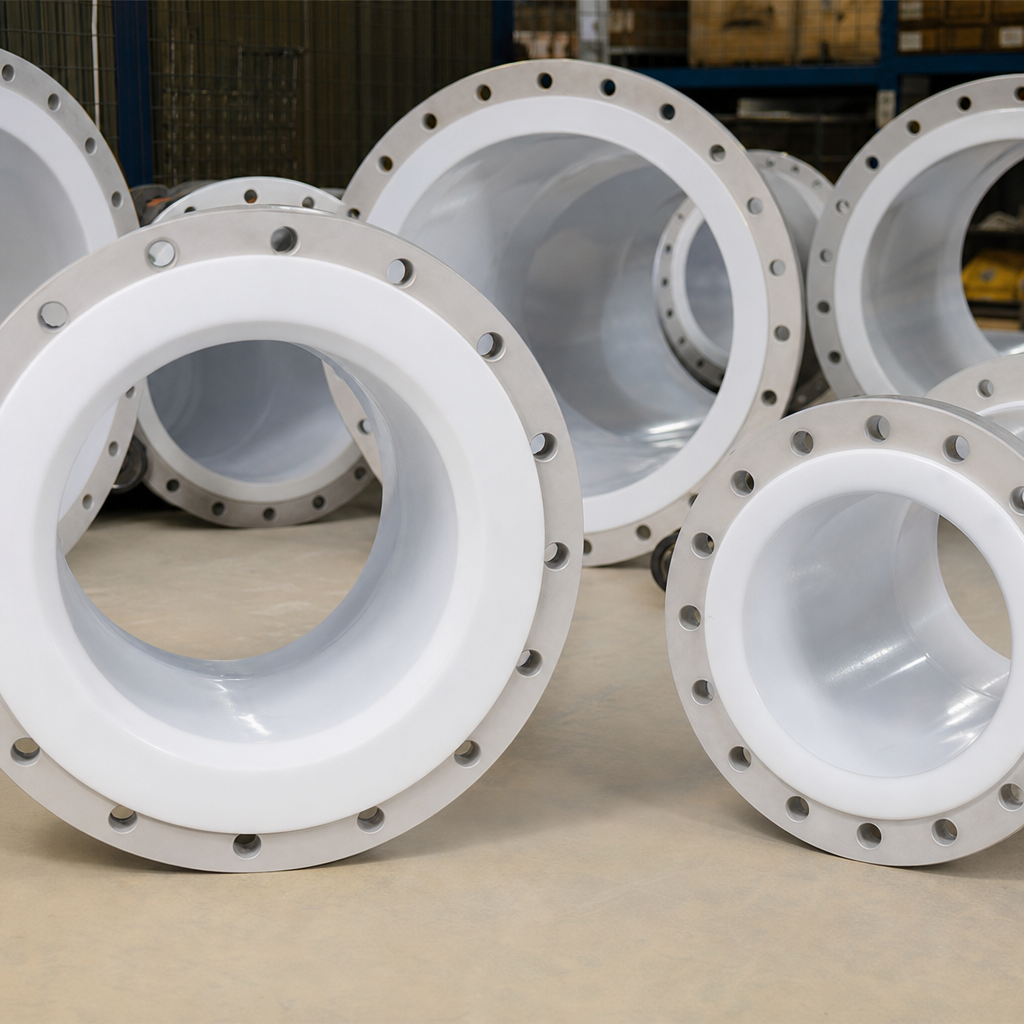
PTFE is usually the starting point because of its excellent non stick behaviour and low coefficient of friction. Where manufacturers are struggling with product build up, drag or difficult cleaning, PTFE often gives a strong first answer. It is widely used on rollers, chutes, tooling and process contact surfaces because it performs well and has a long track record in industry.
In day to day manufacturing terms, PTFE is often chosen where release is the leading priority. Adhesives, sealants, food residues, polymers and other tacky materials are less likely to cling strongly to a well specified PTFE surface. When contamination does occur, cleaning is generally easier than it would be on untreated metal. This can improve uptime and reduce the need for aggressive manual scraping.
PTFE also offers very good temperature performance, which is why it remains popular in heated processes and general high temperature service. For many applications, it strikes a practical balance between release, temperature capability and industrial familiarity. It is often the safest choice where the process conditions are understood and proven PTFE systems already exist.
FEP: When Finish and Cleanability Are Key
FEP, however, deserves attention where process conditions or finish requirements differ. As a melt processable fluoropolymer, FEP can deliver very smooth surface finishes and is valued in applications that benefit from clarity, cleanability or specific fabrication characteristics. In coating contexts, it can be attractive where a uniform, highly cleanable surface is needed and the temperature demands fit its operating range.
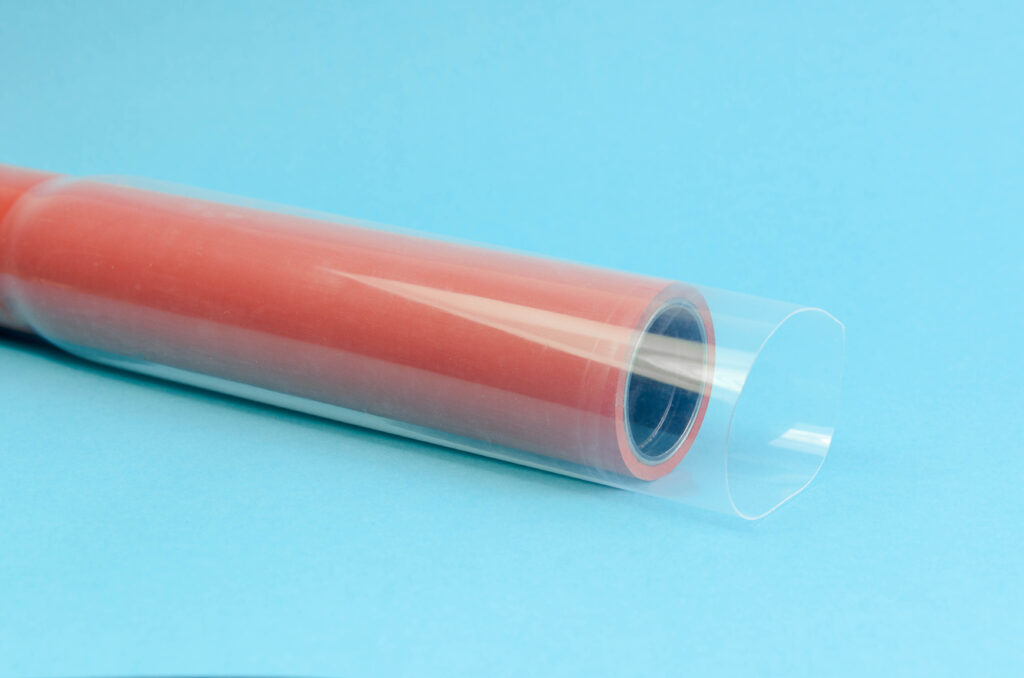
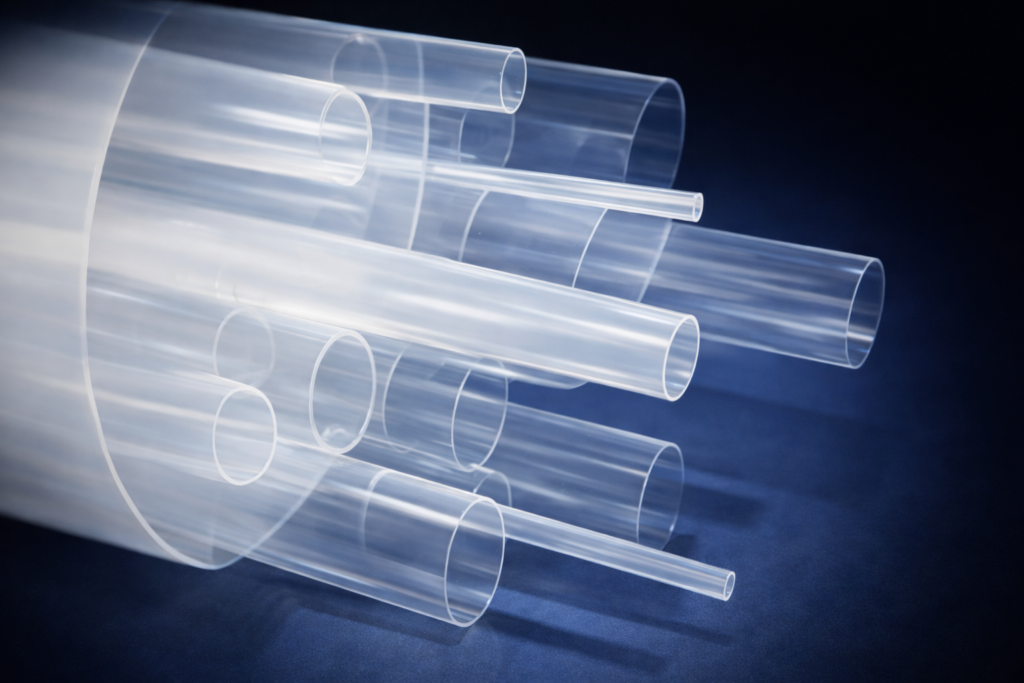
FEP is also useful in broader fluoropolymer product forms such as heat shrink and tubing, which means some manufacturers already know it from other areas of process design. In non stick applications, it may be selected where release is important but the exact balance of temperature, finish and service demands points away from PTFE. It is not better in every case, but it is often worth considering rather than defaulting blindly to the familiar option.
PFA: For the Most Demanding Environments
PFA sits at the more demanding end of the comparison for many users. Like FEP, it is melt processable, but it generally offers stronger high temperature performance and is often selected where chemical resistance, cleanliness and elevated service capability need to come together. In processing equipment, PFA is especially relevant where the line environment is aggressive and the consequences of coating breakdown are high.
PFA can be a strong choice for equipment exposed to corrosive chemicals, elevated temperatures or demanding cleaning regimes. It also performs well in applications where a very clean, stable process contact surface matters. This is one reason it appears frequently in higher specification industrial and chemical settings.
Key Decision Factors: Temperature, Wear, Chemistry and Hygiene
When comparing these three materials for manufacturing, engineers should focus on a few core decision points. The first is release performance. PTFE is usually the benchmark for non stick behaviour and remains the default for many release critical surfaces. FEP and PFA also offer low surface energy and good release, but the practical question is whether the application needs PTFE’s established release profile or whether another fluoropolymer offers a better overall balance.
The second factor is maximum operating temperature. Broadly speaking, PFA tends to hold an advantage where sustained higher temperature performance is required, with PTFE also strong in many demanding environments. FEP may be entirely suitable in moderate high temperature service, but temperature should always be reviewed against the real line conditions rather than a headline material number.
The third factor is wear and mechanical demand. Non stick performance is only useful if the coating remains intact in service. Some applications involve relatively gentle product contact, while others include abrasion, repeated handling or intermittent mechanical impact. Coating system design, not just polymer type, matters here. A supplier should evaluate the duty cycle properly before recommending the fluoropolymer.
The fourth factor is cleanability and process hygiene. Smooth, chemically resistant fluoropolymer surfaces generally clean well, but some applications place extra value on finish consistency and contamination control. Food, pharma adjacent manufacturing, specialist converting and precision processing often fall into this category. Here, FEP or PFA may deserve closer attention depending on the full process requirement.
A Practical Summary for Specifiers
A simple way to think about the comparison is this. PTFE is often the best known and most widely used answer for non stick industrial surfaces. FEP becomes attractive where finish and processing characteristics support the application. PFA comes into its own where higher temperature, chemical resistance and process stability make the environment more demanding. That is a useful starting framework, but it is not a substitute for real specification work.
The applications themselves vary widely. Rollers in converting or laminating may prioritise release and easy cleaning. Moulds may need both release and thermal stability. Belts and guides may focus more on friction reduction and contamination control. Chemical process components may need non stick performance as a secondary benefit behind corrosion resistance. The correct fluoropolymer depends on which of these factors carries the greatest weight.
This is why comparison guides are helpful but only up to a point. They clarify the differences, but they do not remove the need for application knowledge. A good supplier will ask about substrate, process temperature, product type, cleaning chemicals, duty cycle and what failure looks like in practice. Without that, coating selection becomes too generic to be reliable.
Holscot’s experience across fluoropolymer products and engineered applications makes this kind of comparison more useful in the real world. Non stick coatings do not sit in isolation from the wider material system. Manufacturers may need coating on one part, heat shrink on another, fluoropolymer film elsewhere and custom fabricated components in the same process area. A supplier that understands the family of materials can help align those decisions more effectively.
Ultimately, choosing between PTFE, FEP and PFA is not about finding a winner in the abstract. It is about finding the most suitable fluoropolymer for the line, the component and the duty. When engineers take that approach, they usually make better long term decisions. They avoid over specifying, avoid under specifying and get closer to what actually matters: stable production, cleaner operation and fewer surface related interruptions.
For help selecting the right non-stick coating for your manufacturing application, contact Holscot.