
PTFE and Teflon are terms that often come up in discussions about non-stick coatings, industrial applications, and advanced materials. But are they really the same thing? This blog will answer that question, explore the difference between PTFE and Teflon coatings, and shed light on the potential disadvantages of PTFE.
Are Teflon and PTFE the Same Thing?
The short answer is yes—and no. PTFE stands for Polytetrafluoroethylene, a synthetic fluoropolymer of tetrafluoroethylene. It is a high-performance material known for its non-stick properties, high heat resistance, and chemical inertness. Teflon, on the other hand, is a brand name owned by Chemours (formerly a part of DuPont) that refers to a range of products made from PTFE and other fluoropolymers.
In essence, PTFE is the material, and Teflon is a trademarked name for products that use PTFE. It’s similar to how “Hoover” is often used to mean vacuum cleaner, even though not all vacuum cleaners are made by Hoover.
Key takeaway: All Teflon is PTFE, but not all PTFE is Teflon. There are many manufacturers of PTFE beyond Chemours, and these materials may not carry the Teflon name.
What Is the Difference Between PTFE & Teflon Coating?
While PTFE and Teflon are often used interchangeably, there are distinctions when it comes to coatings.
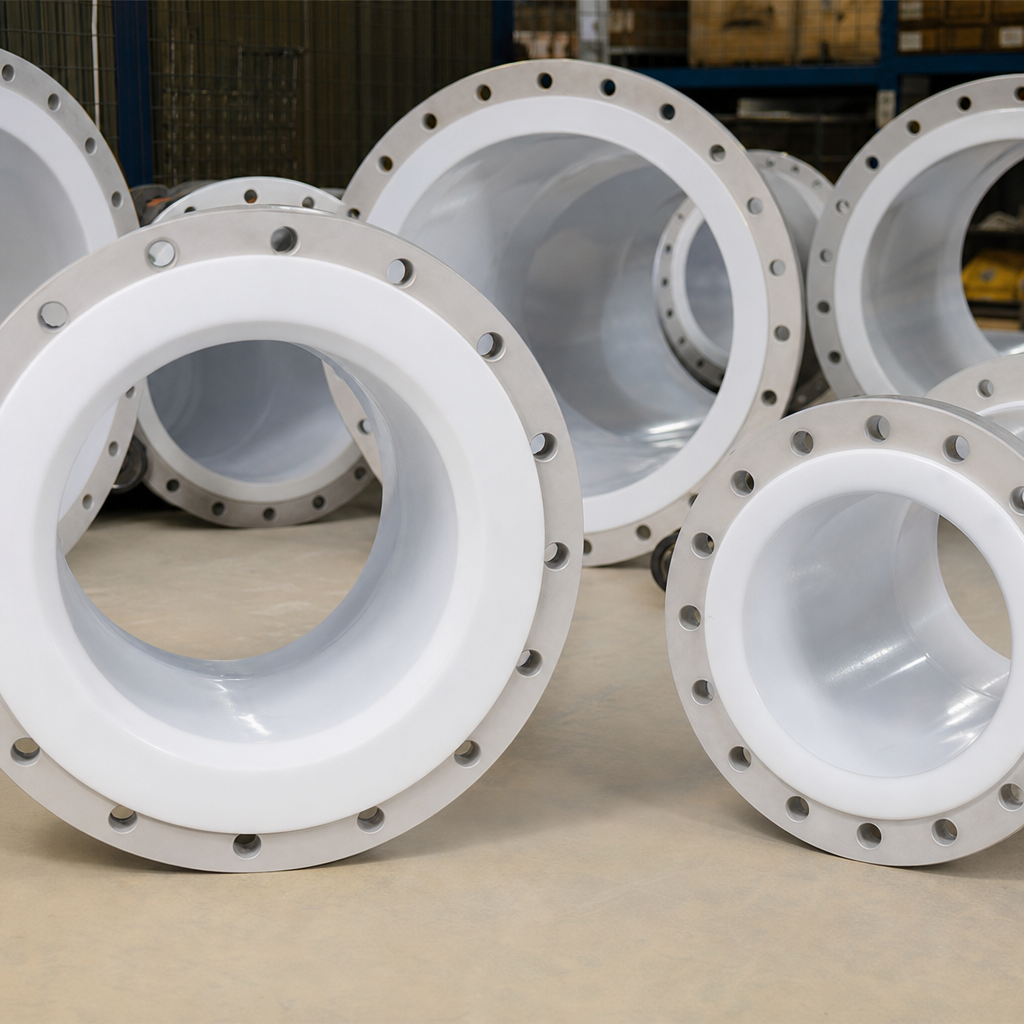
PTFE Coating: PTFE coatings are used in a wide variety of applications, from cookware to industrial machinery. They provide a low-friction, non-stick surface that is resistant to high temperatures and harsh chemicals. PTFE coatings are not exclusive to Chemours and are produced by multiple manufacturers around the world.
Teflon Coating: Teflon coating specifically refers to PTFE coatings that are manufactured by Chemours under their trademark. Chemours has stringent quality controls and specific formulations for their Teflon-branded products, which are tailored for diverse applications, such as:
- Non-stick cookware
- Automotive parts
- Industrial machinery
The primary difference between the two lies in branding and quality assurance. Teflon products are backed by Chemours’ expertise and often come with a guarantee of performance, whereas generic PTFE coatings may vary in quality depending on the manufacturer.
What Are the Disadvantages of PTFE?
While PTFE is a remarkable material with numerous benefits, it is not without its limitations. Here are some of the key disadvantages:
- Limited Mechanical Strength: PTFE is not known for its mechanical strength or load-bearing capacity. In applications requiring high strength, it often needs to be reinforced with fillers or combined with other materials.
- Susceptibility to Creep: PTFE has a tendency to deform under prolonged stress, a phenomenon known as creep. This makes it unsuitable for applications that involve sustained heavy loads.
- Temperature Sensitivity: Although PTFE is resistant to high temperatures, it begins to degrade when exposed to temperatures above 260°C. In such cases, alternative materials like PFA (Perfluoroalkoxy alkane) may be more suitable.
- Environmental Concerns: The production of PTFE involves the use of chemicals like PFOA (perfluorooctanoic acid), which has been linked to environmental and health concerns. However, many manufacturers, including Chemours, have phased out the use of PFOA in their production processes.
- Cost: PTFE is more expensive than many other plastics due to its specialised manufacturing process. This can be a limiting factor for projects with tight budgets.
- Surface Scratches: While PTFE is non-stick, its surface can be prone to scratches and abrasions if not handled carefully. This is particularly relevant in cookware applications.
Conclusion
PTFE and Teflon are closely related but not identical. Teflon is the branded version of PTFE, manufactured by Chemours with stringent quality controls, while PTFE itself is a versatile material produced by many manufacturers. Understanding their differences is key to selecting the right product for your application.
While PTFE offers exceptional performance in terms of non-stick properties, chemical resistance, and heat tolerance, it is essential to consider its disadvantages when determining its suitability for specific uses. By weighing the pros and cons, businesses and consumers can make informed decisions about incorporating PTFE or Teflon into their projects.
At Holscot, we specialise in advanced fluoropolymers, including PTFE, ETFE, and FEP, to provide tailored solutions for a wide range of industries. Contact us today to learn more about how we can support your needs with high-performance materials.
Holscot Advanced Polymers
At Holscot Advanced Polymers we can manufacture in the UK our FEP, PFA and ETFE fluoropolymer products. These are all melt-processable versions of PTFE / Teflon. We can also source and work with PTFE.
To learn more about the differences between the various polymers, follow this link to our glossary of terms. Glossary – Holscot Advanced Polymers Ltd
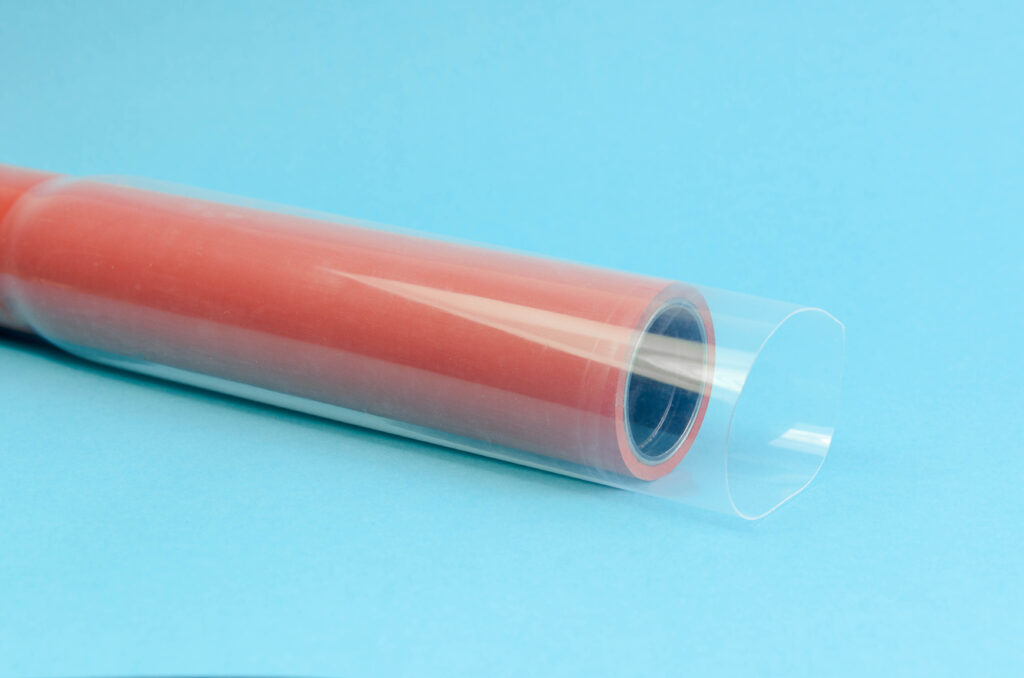
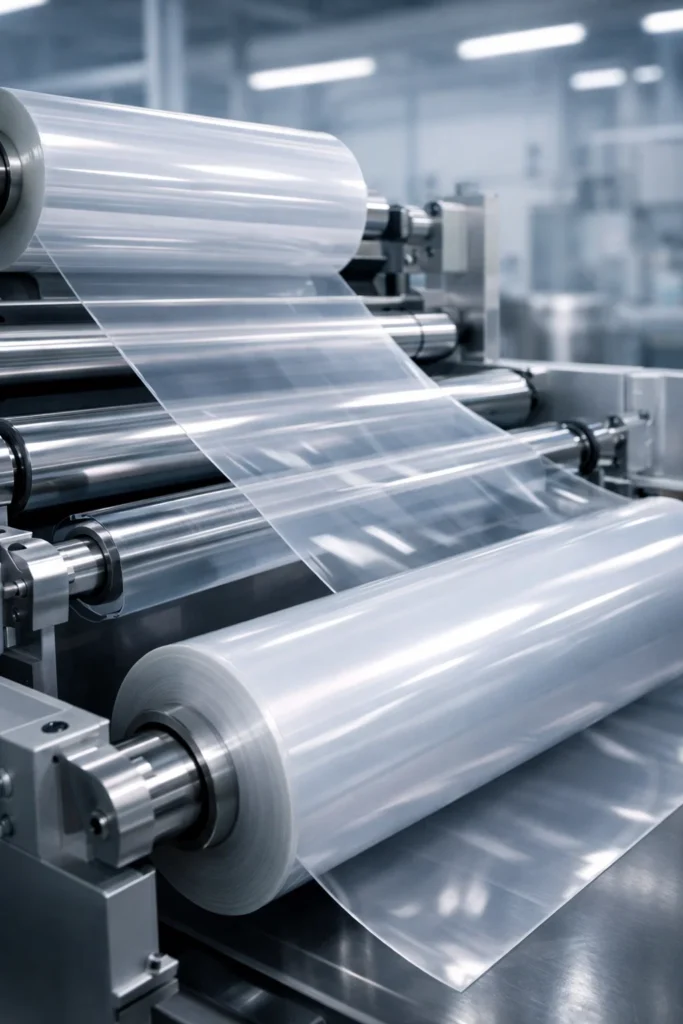
On site we have 8 extrusion lines manufacturing tubing, film and sheet which we offer as standards and custom products. With our over 50 years of fluoropolymer manufacturing knowledge we specialise in industrial fluoropolymer solutions.
In-house we can cut, form, weld, etch, stretch, expand and bond FEP, PFA and ETFE to form finished and semi-finished components meeting the needs of customers in the many industries including:
Aerospace, Space. Print, Paper, Lamination, Food & Beverage, Chemical, Green Tech, Offshore, Lighting, Medical etc.