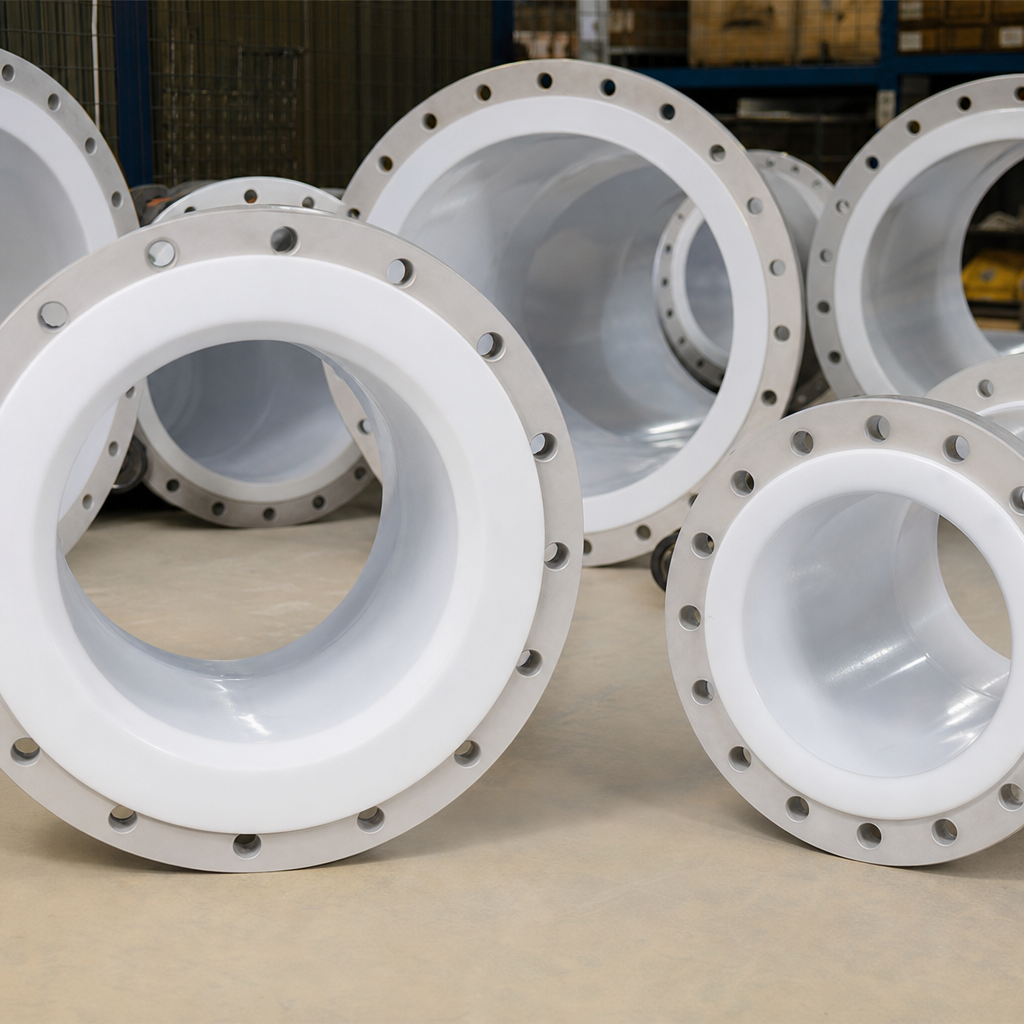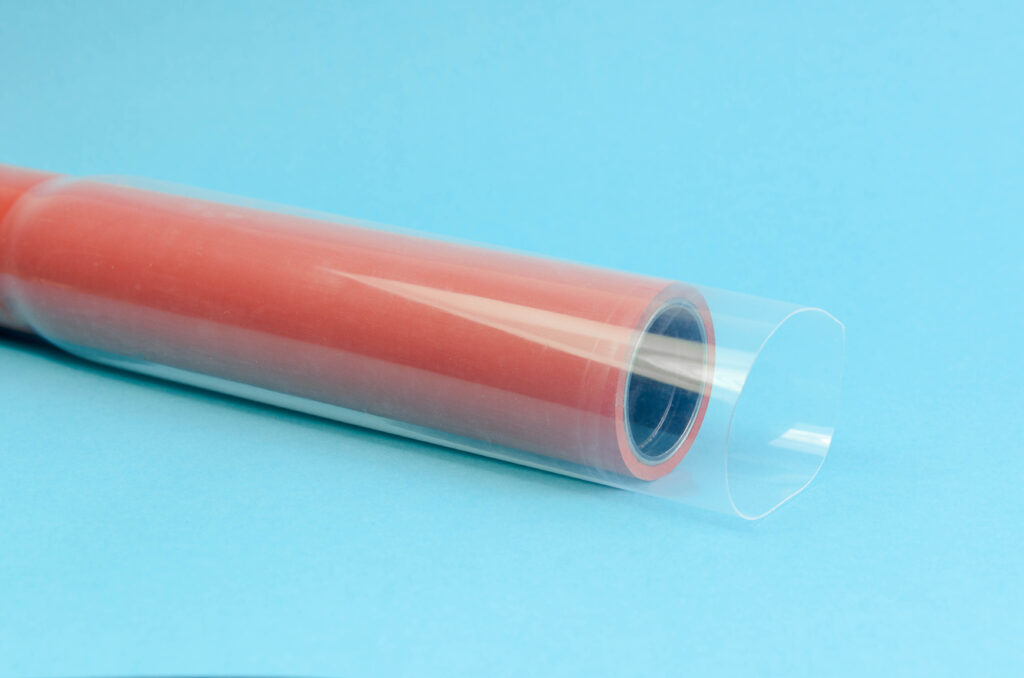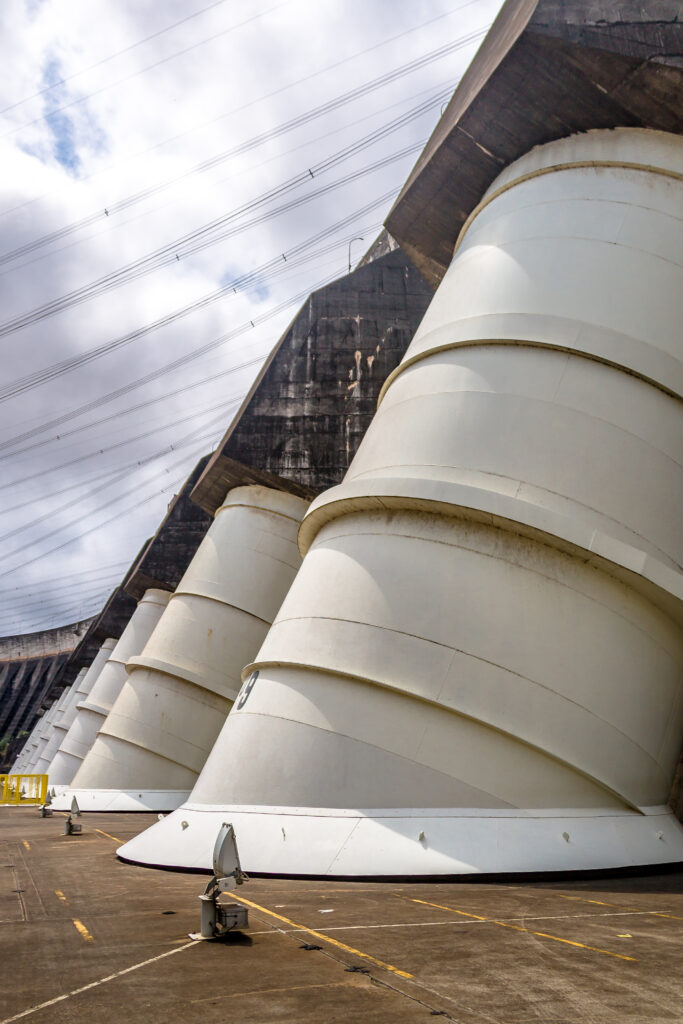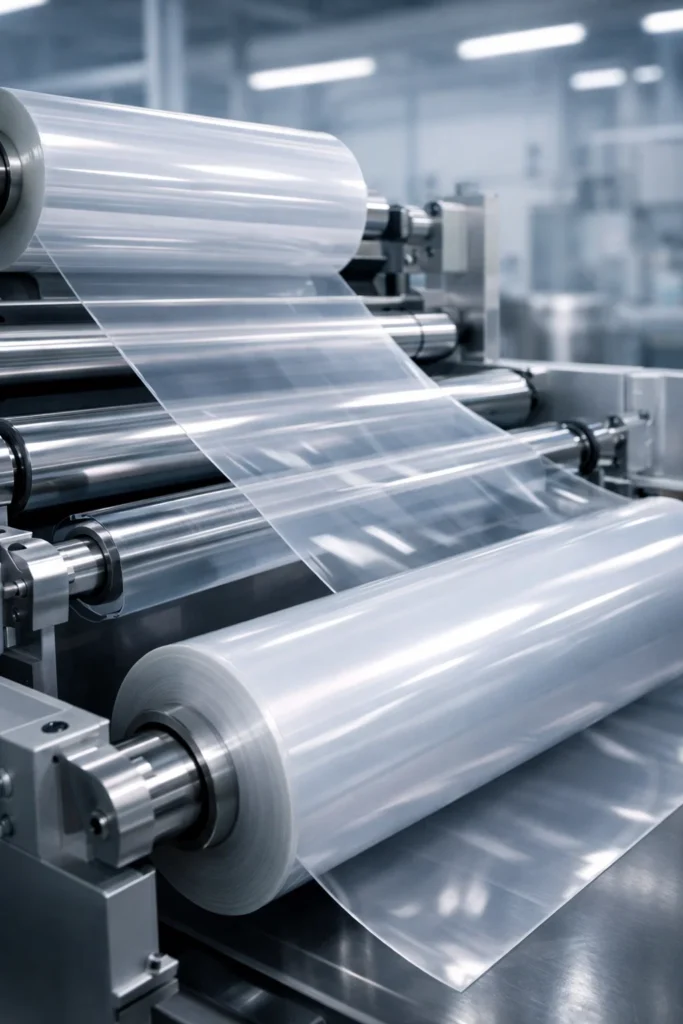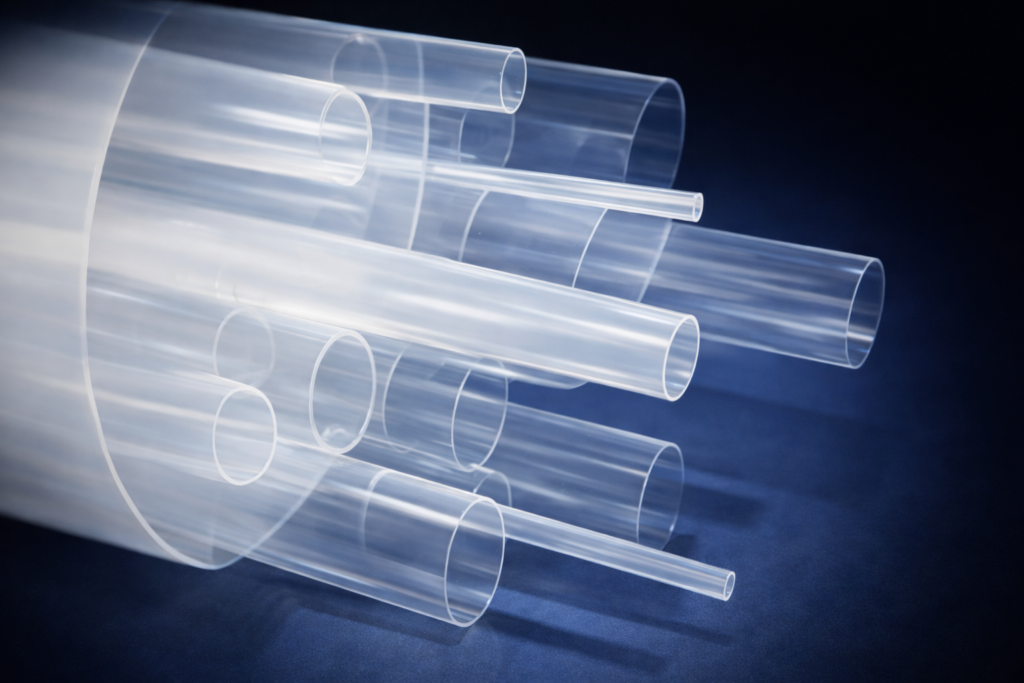

Fluoropolymer films are widely used in industrial environments where conventional plastics fail to deliver long-term reliability. Their unique combination of chemical resistance, thermal stability and low surface energy makes them suitable for demanding applications across manufacturing, processing and high-performance engineering sectors.
This article explains how industrial fluoropolymer films work, where they are most effectively used, and how to select the right material based on application requirements rather than generic material labels.
What Are Fluoropolymer Films?
Fluoropolymer films are thin, high-performance plastic materials manufactured from fluorinated polymers such as PTFE, FEP, PFA and ETFE. They are typically supplied as rolls or sheets and may be further processed through cutting, welding or forming to suit specific applications.
Unlike many standard polymer films, fluoropolymer films retain their properties when exposed to aggressive chemicals, elevated temperatures and harsh environmental conditions. This makes them suitable for protective barriers, linings, insulation layers and specialist industrial components.
Holscot Advanced Polymers Limited supplies a range of fluoropolymer films and sheets for industrial use, supporting applications where performance consistency is critical.
Key Properties of Industrial Fluoropolymer Films
While individual fluoropolymers differ, industrial fluoropolymer films typically share several core characteristics:
- High resistance to acids, solvents and corrosive chemicals
- Excellent thermal stability across wide temperature ranges
- Low friction and non-stick surface properties
- Good electrical insulation performance
- Resistance to UV exposure and environmental ageing
The importance of each property varies depending on how and where the film is used. Understanding these differences is essential for correct material selection.
Common Types of Fluoropolymer Films
PTFE Films
PTFE films offer exceptional chemical resistance and temperature performance. They are often specified in environments where chemical exposure is severe and long-term durability is essential.
Typical applications include:
- Chemical processing linings
- Gasket and seal backing materials
- Release films in manufacturing processes
PTFE films are not melt-processable, which influences how they are formed and joined in comparison to other fluoropolymers.
FEP Films
FEP films combine strong chemical resistance with good transparency and flexibility. Their melt-processability allows for more versatile fabrication options, including welding and thermoforming.
Common uses include:
- Protective liners
- Industrial roller covers
- Electrical insulation layers
- Light protection and safety applications
In lighting environments, FEP film is frequently used in shatter-resistant lamp protection systems where visibility and compliance are both required.
PFA Films
PFA films offer performance characteristics similar to PTFE, with improved flexibility and fabrication options. They are often chosen for high-purity or high-temperature environments where reliability is critical.
Typical applications include:
- Semiconductor and electronics manufacturing
- Chemical fluid handling systems
- High-temperature & high-pressue protective barriers
ETFE Films
ETFE films are valued for their mechanical strength, impact resistance and long-term weatherability. They perform well in outdoor or mechanically demanding environments where flexibility and toughness are required.
ETFE film is often used in:
- Architectural and structural applications
- Protective coverings exposed to UV and weather
- Industrial components subject to mechanical stress
How Fluoropolymer Films Are Used in Practice
Industrial fluoropolymer films are rarely used as standalone materials. Instead, they form part of a wider system, acting as a barrier, liner or protective layer within equipment or assemblies.
Typical use cases include:
- Chemical splash / corrosion protection & containment
- Wear surfaces to reduce friction and contamination
- Electrical insulation in high-temperature environments
- Protective layers in food, pharmaceutical or cleanroom settings
Where tight tolerances or formed components are required, films may be combined with other fluoropolymer formats such as extrusions or sleeving. Holscot’s broader polymer offering can be explored by viewing the full range of fluoropolymer products available for industrial applications.
Selecting the Right Fluoropolymer Film
Choosing the correct fluoropolymer film depends on several application-specific factors:
| Selection Factor | Considerations |
| Chemical exposure | Type, concentration and duration of contact |
| Operating temperature | Continuous and peak temperature limits |
| Mechanical stress | Flexing, abrasion or impact requirements |
| Transparency | Visual inspection or light transmission needs |
| Fabrication method | Welding, forming or bonding requirements |
For applications requiring a close-fitting protective layer rather than flat film, heat-shrink fluoropolymer sleeving may be a more suitable alternative.
Why Material Selection Matters
Incorrect film selection can lead to premature failure, contamination, increased maintenance or compliance issues. In industrial environments, these risks often outweigh the initial cost difference between materials.
By aligning material properties with real operating conditions, fluoropolymer films can deliver long service life, improved safety and reduced downtime.
Supporting Reliable Industrial Performance
Industrial fluoropolymer films play a critical role in applications where durability and chemical resistance cannot be compromised. Selecting the right material requires an understanding of both polymer behaviour and application demands.
Holscot Advanced Polymers Limited supplies fluoropolymer films alongside extrusions, sleeving and fabricated components, enabling integrated solutions rather than isolated material choices. Further technical information is available when you explore Holscot’s fluoropolymer capabilities.
Final note
This article is intended as a general guide. Final material selection should always be validated against specific operating conditions and performance requirements.