
ETFE (ethylene tetrafluoroethylene) is increasingly specified in industrial and technical applications where conventional plastics and even other fluoropolymers fall short. Known for its mechanical strength, environmental durability and long service life, ETFE offers a distinct performance profile that makes it suitable for specific use cases rather than as a general-purpose material.
This article explains the key properties of ETFE, where it performs best, and how to determine whether it is the right material for an industrial application.
What Is ETFE?
ETFE is a fluoropolymer designed to combine chemical resistance with improved mechanical toughness. While it shares some characteristics with materials such as PTFE, FEP and PFA, its strength and resistance to physical damage set it apart.
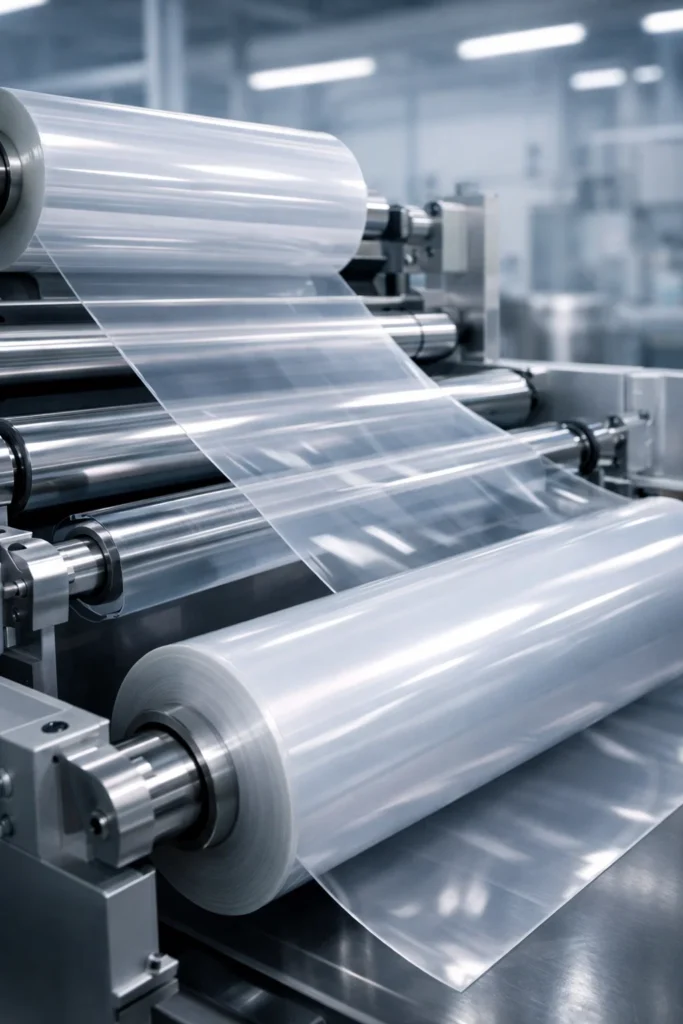
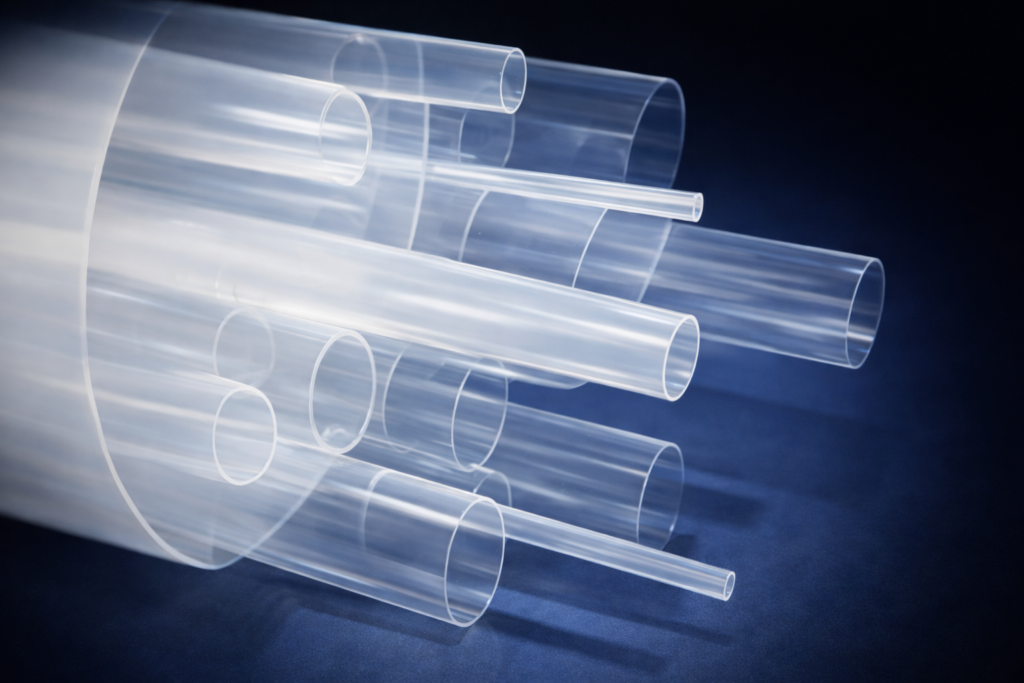
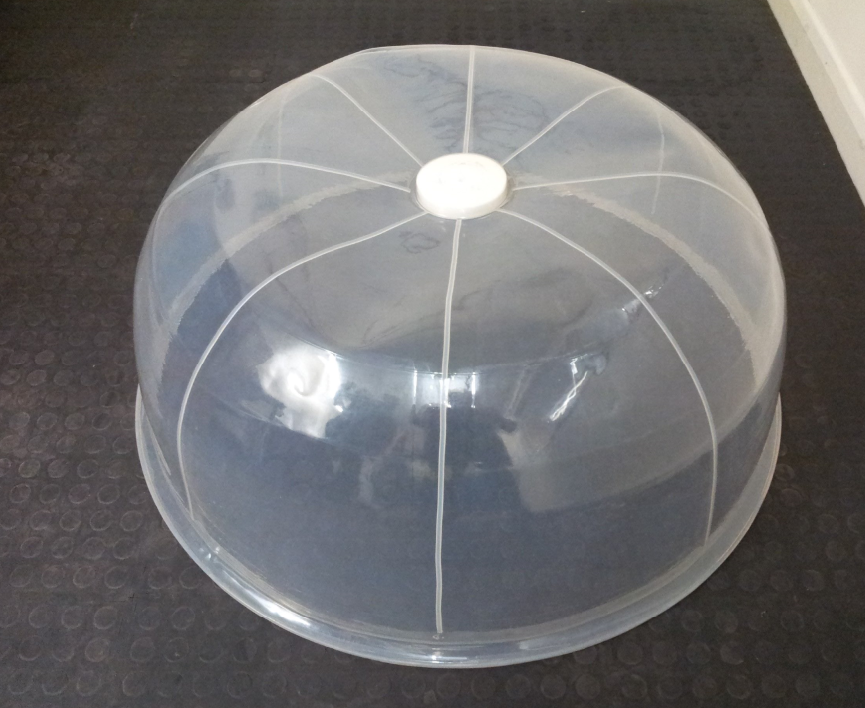
ETFE is commonly supplied in film, sheet or formed formats and is often chosen for applications exposed to environmental stress, repeated handling or mechanical load.
Holscot Advanced Polymers Limited supplies fluoropolymer materials across multiple formats, allowing ETFE to be specified alongside other polymers where appropriate. You can view the full scope of Holscot’s fluoropolymer capabilities to understand how these materials are applied across different sectors.
Key Properties of ETFE
ETFE is selected not for a single standout characteristic, but for its balanced performance across several demanding criteria.
Mechanical Strength and Toughness
ETFE offers significantly higher tensile strength and impact resistance than many other fluoropolymers. This makes it suitable for applications where materials may be subjected to physical stress, vibration or repeated movement.
Chemical Resistance
While not as universally inert as PTFE, ETFE still provides strong resistance to a wide range of industrial chemicals, making it suitable for many processing and containment applications.
UV and Weather Resistance
ETFE performs exceptionally well in outdoor environments. It resists UV degradation, weathering and environmental ageing, maintaining performance over long service periods.
Thermal Performance
ETFE operates reliably across a broad temperature range, although its maximum continuous service temperature is typically lower than PTFE or PFA. This makes temperature limits an important consideration during material selection.
Typical Industrial Applications of ETFE
ETFE is most effective when its mechanical and environmental strengths are fully utilised.
Protective Films and Covers
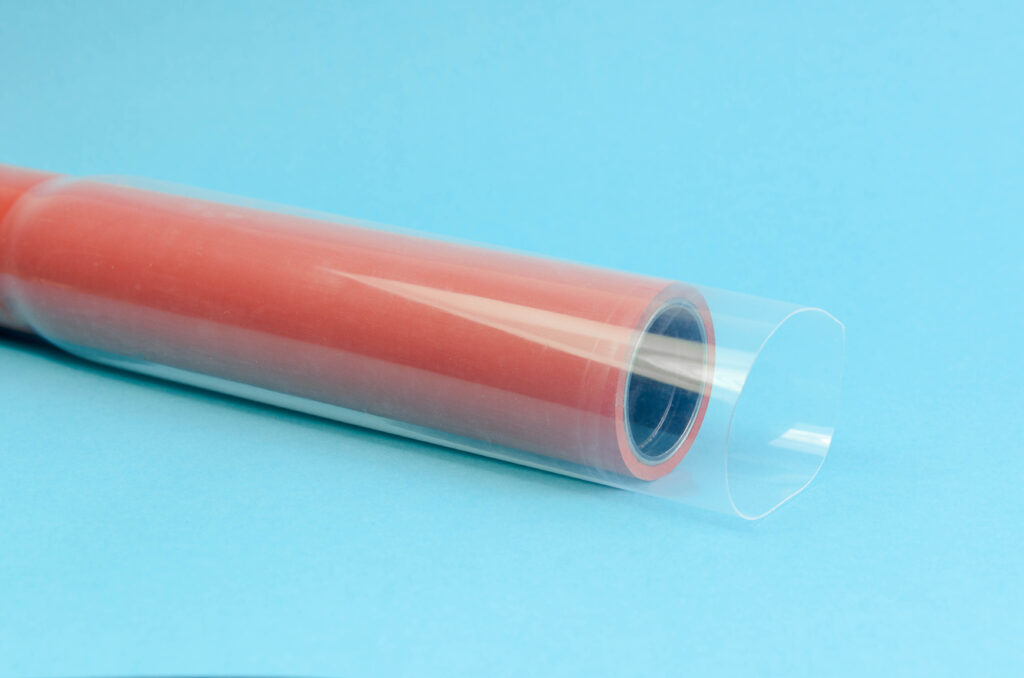
ETFE films are often used as protective barriers in applications where abrasion, weather exposure or handling damage would compromise softer materials. For flat protective components, fluoropolymer films and sheets provide options tailored to different performance requirements.
Architectural and Structural Uses
Due to its strength-to-weight ratio and UV stability, ETFE is widely used in architectural and structural applications where long-term outdoor exposure is unavoidable. These properties also translate well to industrial enclosures and protective housings.
Electrical and Technical Components
ETFE is commonly used as insulation in wiring and cabling systems where mechanical durability and environmental resistance are required alongside electrical performance.
In applications requiring close-fitting protection over components or cables, heat-shrink fluoropolymer sleeving may be considered alongside ETFE films depending on installation requirements.
ETFE Compared to Other Fluoropolymers
Understanding where ETFE fits relative to other fluoropolymers helps avoid over- or under-specification.
| Requirement | ETFE Performance |
| Mechanical strength | Very high |
| Chemical resistance | High (not universal) |
| UV and weather resistance | Excellent |
| Maximum temperature | Moderate compared to PTFE/PFA |
| Flexibility | Moderate |
| Outdoor durability | Excellent |
ETFE is often selected where mechanical durability and environmental resistance are more critical than extreme temperature or total chemical inertness.
When ETFE Is (and Isn’t) the Right Choice
ETFE is a strong candidate when:
- Components are exposed to physical stress or impact
- Long-term outdoor or UV exposure is expected
- Weight, strength and durability must be balanced
- Films or protective layers must resist tearing or abrasion
However, ETFE may not be the optimal choice where:
- Continuous exposure to the most aggressive chemicals is expected
- Maximum operating temperatures exceed its performance limits
- Ultra-low friction or non-stick behaviour is the primary requirement
In these cases, alternative fluoropolymers such as PTFE, FEP or PFA may be more suitable.
Supporting Informed Material Selection
Selecting ETFE should always be based on application context rather than material familiarity. Factors such as mechanical load, environmental exposure, temperature limits and fabrication requirements all influence whether ETFE will deliver long-term reliability.
Holscot Advanced Polymers Limited supports informed material selection by supplying ETFE and other fluoropolymers in a range of formats, enabling solutions to be matched to real operating conditions. Further technical information is available when you explore Holscot’s fluoropolymer product range.
Final note
This article is intended as an educational guide. Final material selection should always consider detailed performance requirements and application-specific conditions.