
Why ETFE Has Become an Architectural Material of Choice
Architects are often asked to balance competing demands that are difficult to reconcile in a single material. They need natural light, but also weather resistance. They want visual impact, but also manageable structural loads. They need durability, but they do not want a facade or roof system that becomes an endless maintenance problem. This is one of the reasons ETFE has become such an attractive option in modern architecture.
ETFE, or ethylene tetrafluoroethylene, is a high performance fluoropolymer that has earned a place in architectural design because it offers a very unusual mix of properties. It is lightweight, highly transparent, weather resistant and capable of being formed into elegant roof and facade systems that look contemporary without behaving like fragile design statements. For the right project, ETFE can open possibilities that conventional glazing struggles to match.
Many people first encounter ETFE through headline projects. In the UK, the Eden Project remains one of the best known examples, with its inflated ETFE cushion system helping define the identity of the biomes. That project did more than create a recognisable visual language. It helped demonstrate, in a very public way, that ETFE could support ambitious architecture while delivering practical performance.
Since then, designers, engineers and clients have looked at ETFE with increasing seriousness, especially where transparency, weight reduction and clean modern forms are important. It is used in roofing, canopies, facades and specialist enclosures across civic, commercial, horticultural, leisure and transport projects. While it does not replace glass in every situation, it offers a compelling alternative in the right design context.
Weight, Light Transmission and Design Flexibility
The most obvious reason designers choose ETFE is weight. Compared with traditional glazing systems, ETFE is remarkably light. That has knock on effects throughout the project. A lighter envelope can reduce demands on the supporting structure, simplify aspects of installation and open design opportunities where heavier solutions would be difficult or uneconomic. In long span roofs and complex forms, this can be a decisive advantage.
Weight is not the only story, though. ETFE also transmits high levels of light, which makes it attractive in spaces where daylight is part of the architectural intent. Atriums, covered public spaces, horticultural environments and feature roofs all benefit from materials that admit light without creating the heavy visual presence of conventional assemblies. The atmosphere under an ETFE system often feels open and bright in a way that aligns well with contemporary design language.
Another benefit is design flexibility. ETFE can be used in single layer or cushion based systems, depending on the project requirements. Cushion systems, in particular, allow designers to create softly inflated, visually striking surfaces that bring depth and pattern to a building skin. These systems can accommodate large spans and curved forms in ways that are both technically effective and visually distinctive.
Weatherability, Durability and Low Maintenance
Then there is the matter of weatherability. Exterior materials live hard lives. UV exposure, temperature cycling, wind, rain and airborne dirt all test an envelope over time. ETFE is valued because it handles outdoor exposure well and maintains useful performance over long service periods. It also has a naturally low surface energy, which contributes to the self cleaning reputation often associated with ETFE. Dirt is less inclined to cling strongly, and rainfall can help keep surfaces looking cleaner than many conventional alternatives.
For clients and facilities teams, that maintenance profile matters. A dramatic roof or facade is less attractive if it quickly becomes expensive to keep presentable. ETFE has gained favour partly because it combines visual lightness with lower maintenance expectations than people often assume when they first see such transparent structures.
Architects also appreciate the way ETFE supports a more expressive relationship between structure and skin. Because the material is light and adaptable, it can help create envelopes that feel less massive and more dynamic. This can be especially valuable in projects that aim to signal innovation, sustainability, openness or connection with the landscape. In horticultural and environmental buildings, for example, ETFE often feels conceptually appropriate as well as technically effective.
When ETFE Works Best in Architectural Projects
Of course, no material should be selected on appearance alone. ETFE works well in architecture when the project team understands where it excels and where it does not. It is not simply a direct one to one replacement for glass. Acoustic performance, thermal strategy, detailing, support systems and long term operation all need careful consideration. The best ETFE projects are not those where the material is treated as a novelty, but those where it is integrated deliberately into the architectural and engineering logic of the building.
That is why early supplier and technical input can make such a difference. A successful ETFE system depends not just on the polymer film itself, but on fabrication quality, support detailing, panel design, fixing strategy and the performance demands of the building. Design intent needs to meet manufacturing reality early enough for both to inform one another.
For UK projects, there is another useful angle. ETFE can support schemes that want a contemporary, technically confident appearance without relying on overly heavy or visually dense construction. In canopies, covered walkways, horticultural settings, light filled public spaces and feature facades, it allows designers to create transparent or translucent enclosures that feel refined rather than bulky.
There is also a sustainability conversation here, although it should be handled carefully. ETFE is not a miracle material and responsible specification still depends on project context. However, its light weight can reduce structural demand, and its durability and daylight transmission can contribute positively to overall building strategy when designed well. Good material choice is always about the system, not the slogan.
ETFE Compared with Other Fluoropolymer Film and Sheet Options
One of the reasons designers return to ETFE is that it offers more than one kind of value. For some projects, the priority is maximum daylight. For others, it is weight saving. For others, it is the ability to create visually memorable forms with a relatively lean structural solution. In specialist horticultural and environmental applications, transparency and weather resistance become central. In many cases, the real strength of ETFE is that it satisfies several of these priorities at once.
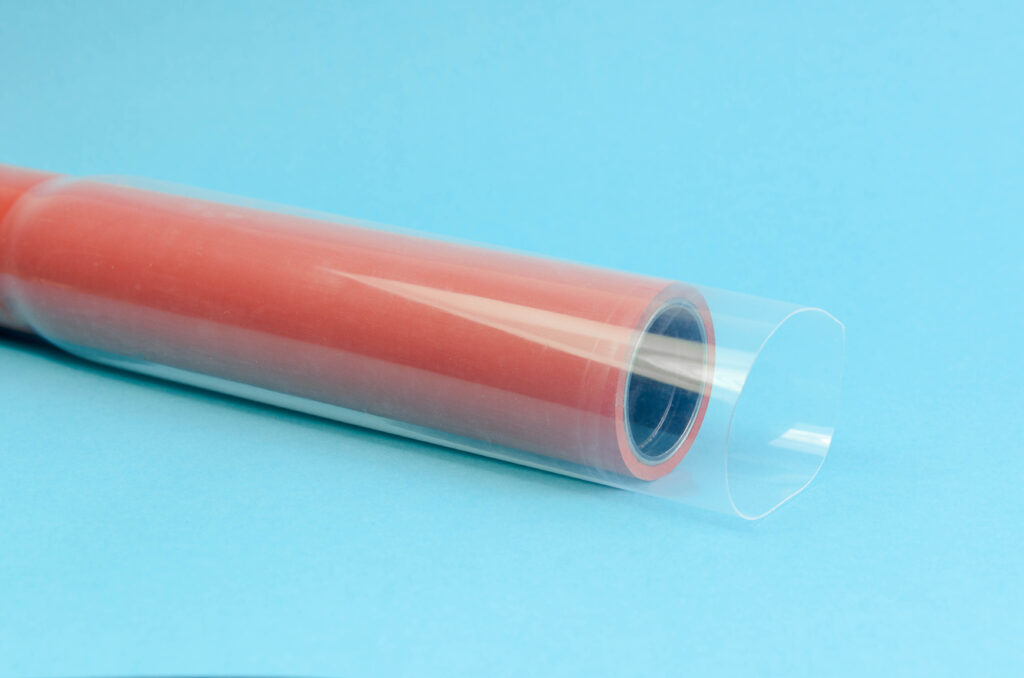
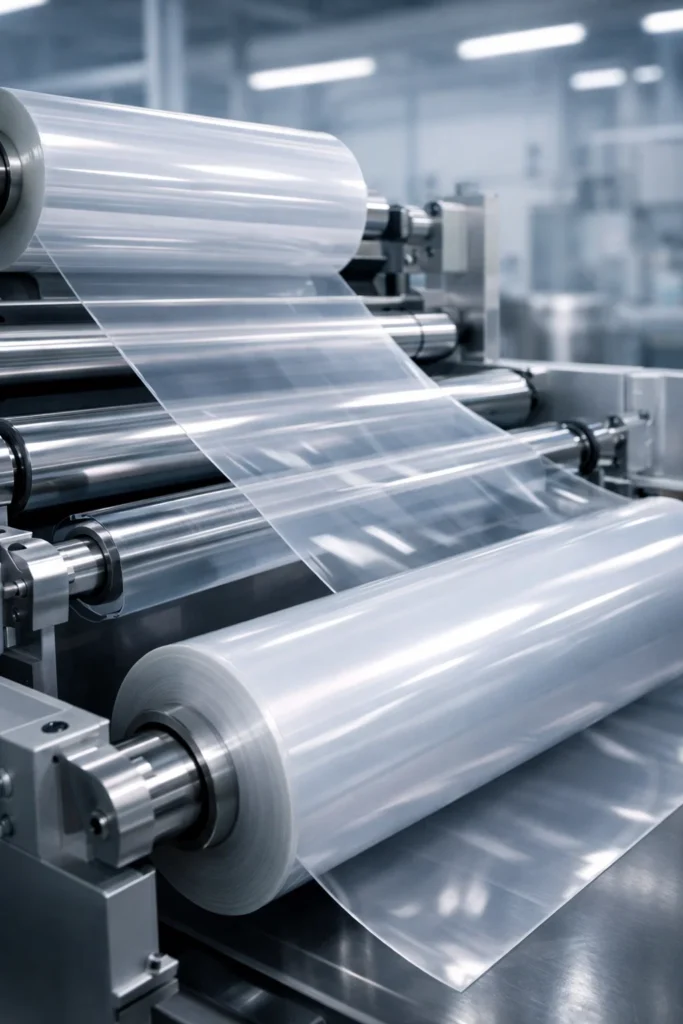
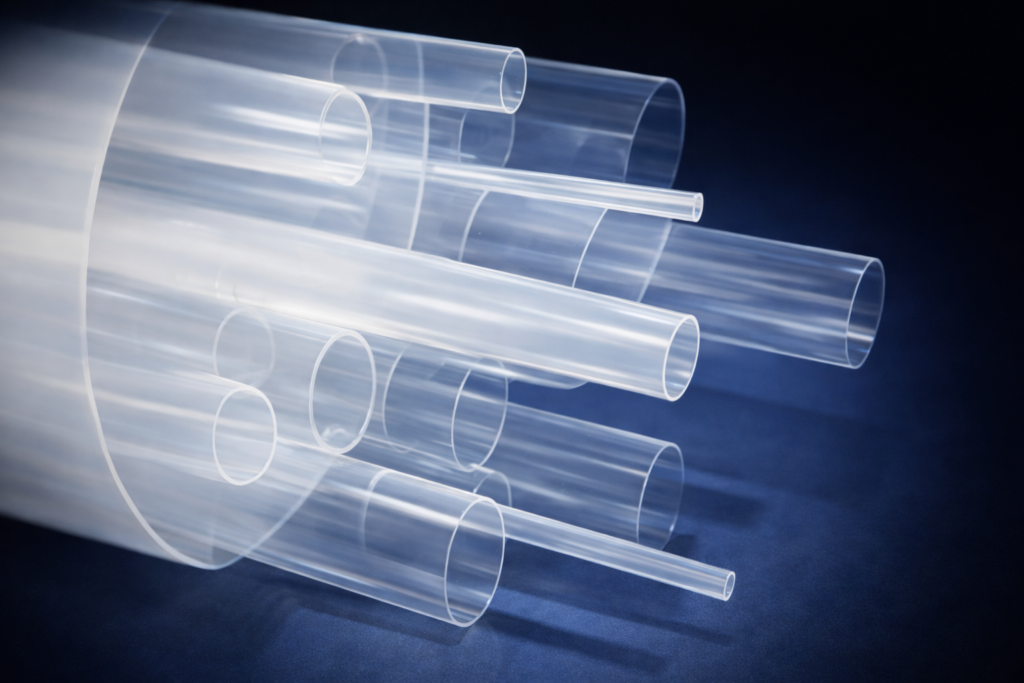
It is also worth understanding the difference between ETFE film and ETFE sheet, as these have different properties and applications. Film is typically used in cushion and membrane systems, while sheet may be used in rigid or semi rigid panels. The choice depends on the specific architectural application and the performance requirements of the building envelope.
For architects and specifiers exploring envelope options, the ETFE sheet and welding capability offered by experienced fluoropolymer suppliers can be particularly valuable. Welded assemblies can be tailored to project requirements in ways that standard catalogue products cannot always match.
Why Specialist Fluoropolymer Knowledge Matters for ETFE Projects
Holscot’s position in this space is particularly relevant for architects and specifiers who want direct manufacturing knowledge rather than generic product commentary. ETFE is part of Holscot’s wider fluoropolymer expertise, which matters because successful architectural use depends on understanding the material properly: how it behaves, how it is fabricated, where it performs best and how it interfaces with a broader project requirement.
That depth of understanding is valuable because ETFE projects are rarely standard. Dimensions, fixing approaches, environmental conditions and visual ambitions vary widely. A supplier that works with fluoropolymers as specialist engineering materials is better placed to support project teams than one approaching the product as a simple commodity membrane.
As architecture continues to explore lighter, brighter and more expressive envelope systems, ETFE is likely to remain an important part of the conversation. It gives designers a route to transparency without the full penalties of weight. It offers weather resistance and visual clarity in a form that can adapt to complex geometry. It supports striking spaces while remaining grounded in practical material performance.
That combination is why ETFE has moved from eye catching exception to established architectural option. For designers working on roofs, facades and specialist enclosures, it is not just interesting because it looks different. It is interesting because it solves problems in a way few other materials can.
To discuss ETFE for your architectural project, contact Holscot for specialist guidance on fluoropolymer film, sheet and panel solutions.