
Why Cable Identification Demands Durable Solutions
Cable identification is easy to overlook until it goes wrong. In complex systems, unclear labelling wastes maintenance time, increases installation errors and creates avoidable risk during inspection, repair or rework. That is why printed heat shrink sleeves remain such a valuable solution across sectors where wiring integrity and traceability matter.
In aerospace, defence, telecoms and other technically demanding environments, cable identification needs to do more than look tidy on the day of assembly. It has to remain legible through handling, routing, thermal cycling, cleaning and long service periods. Labels that smear, detach or become unreadable are not simply inconvenient. They undermine system clarity.
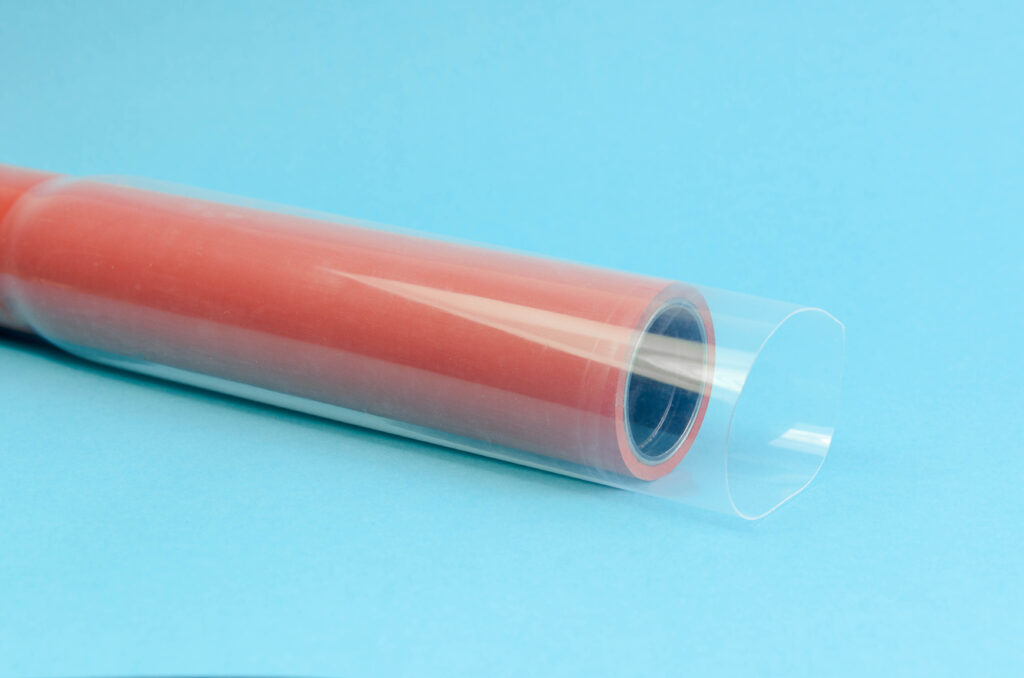
Printed heat shrink sleeves solve this by combining two functions in one component. They identify the cable clearly, and once shrunk they become a fitted protective marker that resists movement better than many alternative labelling methods. The sleeve conforms to the cable, creating a neat and durable result that is well suited to demanding applications.
Fluoropolymer Heat Shrink for Superior Durability
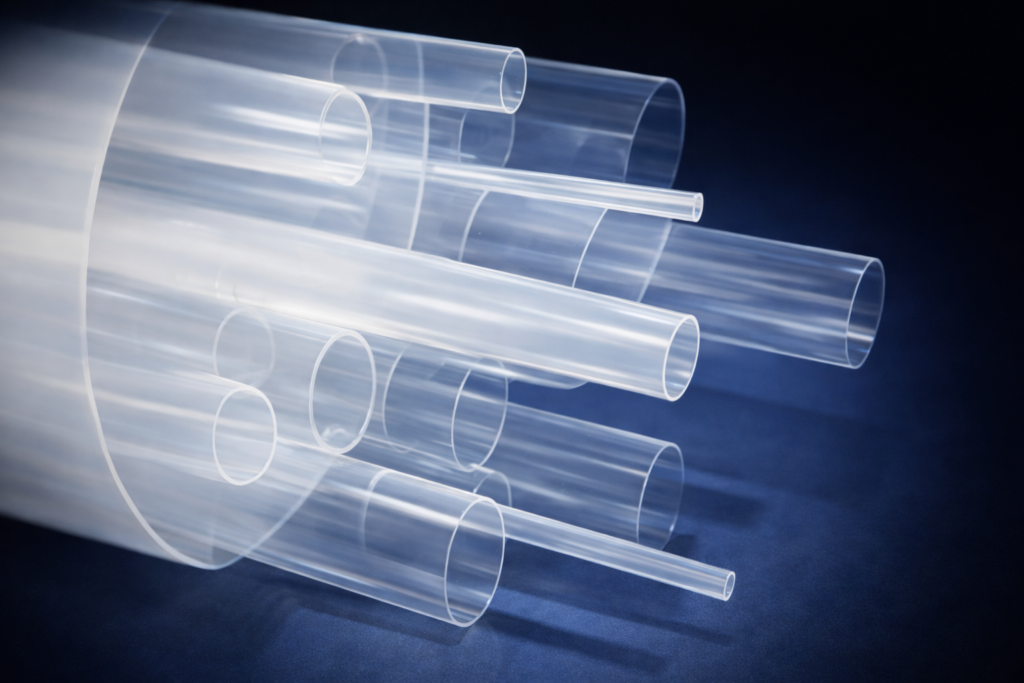
When fluoropolymer heat shrink is used for printed identification, the value increases further. Materials such as FEP bring chemical resistance, temperature performance and durability that make them attractive where ordinary label materials may struggle. In environments where cables are exposed to fluids, heat, cleaning agents or mechanical handling, this becomes particularly important.
The aerospace sector provides an obvious example. Cable harnesses can be dense, safety critical and difficult to access once installed. Clear long lasting identification is essential for assembly, verification and maintenance. A printed heat shrink sleeve that remains legible and stable under service conditions is not a nice extra. It is part of disciplined system design.
Defence applications often place similar demands on reliability and traceability, while telecoms infrastructure may require organised identification across large numbers of cables and terminations. In all of these sectors, the need is the same: labels must survive real operating conditions.
Print Methods and Installation Considerations
The print method matters here. A good sleeve material is only part of the answer. The printing process has to produce clear durable marking that remains readable after shrinking and through service life. Depending on the system, this may involve thermal transfer or other industrial marking methods chosen for permanence and clarity. The key requirement is that the printed information remains intact and useful after installation.
What makes fluoropolymer heat shrink particularly attractive for this purpose is the combination of fit and resistance. Heat shrink by design grips the cable when heated, creating a marker that is far less likely to slip than loose labels. Fluoropolymer materials then add resistance to chemicals, heat and environmental stress. In sectors where cables are not living comfortable lives, that matters.
There is also a practical installation benefit. Heat shrink sleeves can support cleaner assembly by providing a clear consistent marking method across harnesses and cable runs. This helps standardisation, especially in projects where documentation, repeatability and inspection matter. A consistent identification system makes both production and maintenance easier.
Compliance and Sector-Specific Requirements
Compliance enters the conversation too. Different sectors have their own expectations around traceability, durability and material performance. Aerospace and defence, in particular, tend to place greater emphasis on approved processes and robust identification practices. Telecoms and industrial electronics may have different documentation requirements, but the underlying principle is the same: identification must remain effective in service.
For buyers, it is worth thinking beyond the printed legend itself. Sleeve selection should account for cable diameter range, shrink ratio, service temperature, environmental exposure and the readability needed once installed. A sleeve that shrinks well but becomes hard to read is not doing the full job. Equally, a clearly printed sleeve that lacks the required temperature or chemical resistance may fail later.
Specialist Fluoropolymer Expertise for Niche Applications
This is where supplier knowledge matters. Printed heat shrink is not just a labelling product. It is a material and application choice. A supplier with strong fluoropolymer expertise can help ensure that the sleeve material, print compatibility and installation requirements all align. That reduces the risk of choosing a marker system that looks fine in procurement but falls short in service.
Holscot’s experience with FEP and PFA heat shrink sleeving makes this especially relevant for niche and technical uses. In sectors where durability, custom sizing and specialist fluoropolymer performance matter, generic identification products are not always enough. A more engineered answer may be required.
Another reason printed heat shrink remains valuable is that it supports maintenance discipline over the long term. Years after installation, good cable markers save time and reduce uncertainty. Technicians can identify circuits faster, cross check documentation more confidently and avoid mistakes during replacement or troubleshooting. In critical systems, that operational clarity is a genuine asset.
As cable systems become more complex and space constraints increase, the quality of identification often matters more, not less. Dense harnessing leaves little room for ambiguity. Durable fitted markers help preserve order in places where later access may be limited and errors expensive.
For more information on the advantages and tolerances of FEP heat shrink sleeving, or to learn about the broader principles of heat shrink tubing, Holscot’s existing resources provide useful technical background.
For organisations specifying cable identification, the best approach is to treat sleeve choice as part of the system requirement, not a purchasing afterthought. Consider the environment, required durability, print method and cable dimensions together. Where performance demands are high, fluoropolymer heat shrink offers a stronger route than standard commodity markers.
Printed heat shrink sleeves may appear specialised, but that is exactly their strength. They solve a practical problem in a durable, disciplined way. In sectors where cables must be clearly identified and that identification must last, they remain one of the most effective tools available.
To discuss printed heat shrink sleeving for your cable identification needs, contact Holscot.