
Why PFA Lining Matters in Chemical Heat Exchangers
Heat exchangers tend to live at the point where chemistry, temperature and capital cost collide. They are expected to transfer heat efficiently, tolerate demanding operating conditions and keep doing their job in environments that are often unforgiving. In chemical processing, that can be a difficult balance. Many process fluids are corrosive, contamination sensitive or both. Standard metallic construction may work for a while, but in the wrong service it can become a maintenance problem waiting to happen.
This is one reason PFA lined heat exchangers attract so much attention in aggressive chemical duties. When corrosion risk is high and product purity matters, lining can be a more robust answer than constantly fighting substrate degradation. PFA, or perfluoroalkoxy alkane, is a fluoropolymer valued for its chemical resistance, cleanability and high temperature capability. In the right heat exchanger application, it can extend service life, reduce contamination risk and improve confidence in the overall system.
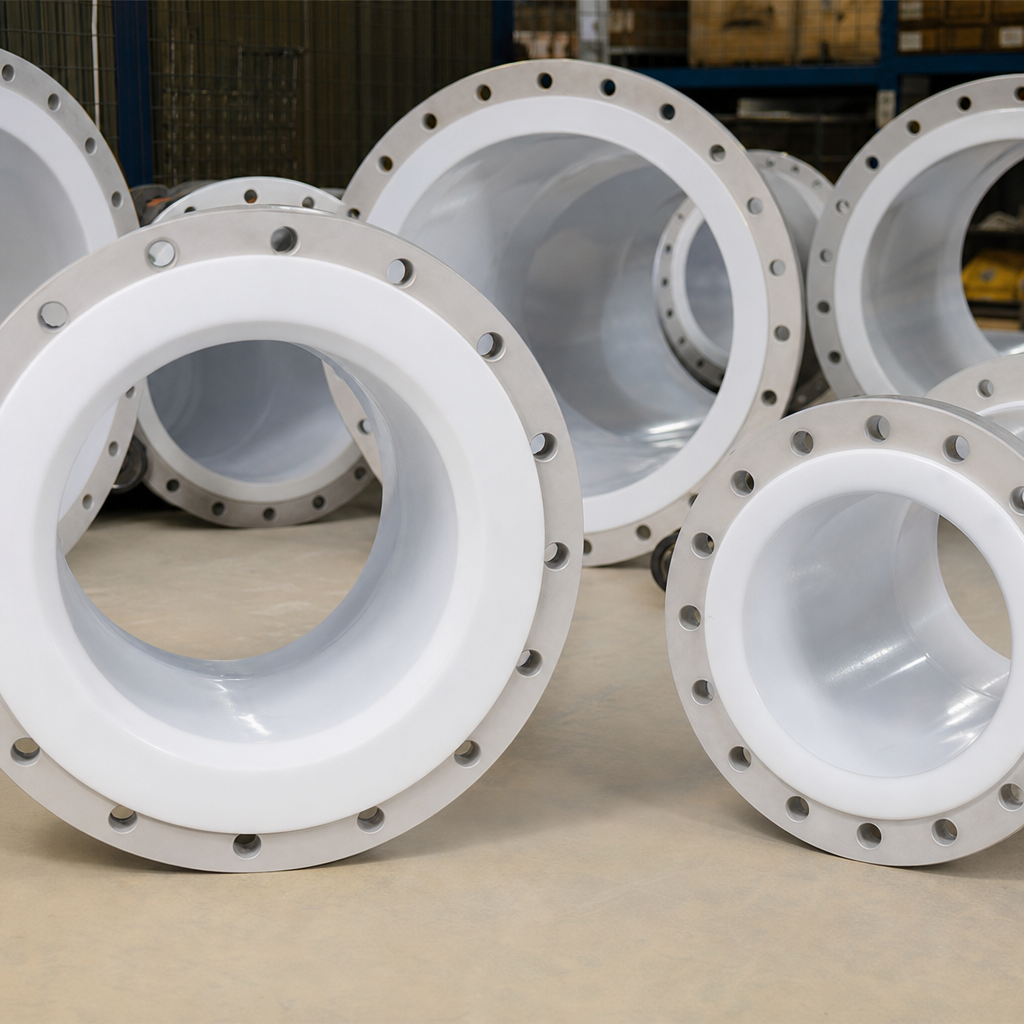
The basic idea behind a PFA lined heat exchanger is straightforward. Rather than exposing metal surfaces directly to corrosive media, the process side is protected by a fluoropolymer barrier. That barrier is there to resist attack from chemicals that would otherwise damage or gradually compromise the underlying equipment. The result is a piece of process plant that can handle difficult media more reliably than unprotected alternatives in comparable conditions.
The Properties That Make PFA Suited to Heat Exchanger Applications
The attraction of PFA specifically lies in its balance of properties. PTFE is well known and widely used, but PFA brings its own advantages, particularly where fabrication and performance requirements point toward a melt processable fluoropolymer. It combines broad chemical resistance with useful temperature performance and a smooth, non stick internal surface that can help reduce fouling and simplify cleaning.
In chemical processing, these are not minor benefits. Corrosion is rarely just a materials issue in isolation. Once heat exchanger surfaces start to degrade, the consequences ripple out. You may see contamination, loss of efficiency, unplanned maintenance, leaks, more frequent shutdowns or premature replacement. In severe services, the wrong material choice can turn a critical asset into a constant source of operational risk.
PFA lining helps address that by separating aggressive media from the structural body of the exchanger. Acids, solvents and other challenging chemicals can be handled with far greater confidence when the wetted surface is specified appropriately. This is especially relevant in sectors such as fine chemicals, specialty chemicals, pharmaceuticals and other process environments where media compatibility cannot be treated casually.
Another important advantage is cleanliness. PFA offers a smooth surface with low surface energy, which can assist with product release and reduce the tendency for residues to cling. In some applications this improves cleanability and helps support process hygiene or changeover efficiency. Where contamination is unacceptable, the value of a stable, inert process contact surface is hard to overstate.
Temperature Capability and Design Considerations
Temperature capability also plays a central role. Chemical plants do not always operate in gentle conditions, and heat exchangers by definition are exposed to thermal loads. PFA is often selected because it retains useful performance at temperatures beyond what many conventional plastics can tolerate. The exact operating window depends on the design and application, but the broader point is that PFA allows engineers to consider fluoropolymer lining in duties where both chemistry and temperature are demanding.
That said, lining a heat exchanger is not just about picking a resistant polymer and assuming the problem is solved. Good outcomes depend on system design, fabrication quality and proper understanding of the service conditions. Engineers need to consider media, pressure, temperature cycling, mechanical support, expected life and maintenance access. The lining has to work as part of the exchanger, not simply as a separate material layer in theory.
This is why specification quality matters. Questions that should be asked early include: what chemicals are present, at what concentrations, at what temperature, with what cleaning regime, and with what consequences if contamination occurs? Is the service continuous or batch based? Are there solids in suspension? Is the main concern corrosion, purity, fouling or all three? A PFA lined solution makes most sense when it is selected against real operating data.
Lifecycle Cost and Maintenance Benefits
Maintenance is another area where lined systems often prove their worth. A corrosion resistant internal surface can reduce the frequency of intervention and help stabilise maintenance planning. Instead of reacting to progressive metal attack, operators may be able to run with greater predictability and lower risk of sudden deterioration. In many plants, that matters as much as headline material resistance.
There is also a lifecycle cost argument. Bare metal equipment may look cheaper at the point of purchase, but that calculation can unravel quickly if the exchanger sits in a corrosive duty. Repair, downtime, product loss, contamination events and shortened asset life all add cost. A well specified PFA lined exchanger may represent better value over the full operating life, particularly where the process is difficult, high value or tightly controlled.
PFA lined heat exchangers are especially attractive in applications where alternative metallurgy would become expensive or still carry compromise. High alloy metals can improve corrosion resistance, but they do not always eliminate the issue and may still fall short against certain media. Lining gives engineers another route: preserve structural strength while protecting the wetted surface with a fluoropolymer that is much better suited to the chemical environment.
The Role of Supplier Expertise in PFA Lined Equipment
For buyers and design engineers, it is also worth noting that fluoropolymer solutions tend to reward early technical dialogue. Heat exchanger selection is rarely forgiving of late assumptions. If process data is incomplete or material choice is treated as a box to tick, the risk of under specification rises quickly. The best projects involve collaboration between process teams, equipment designers and suppliers who understand fluoropolymers beyond the datasheet level.
This is where Holscot’s wider expertise in fluoropolymer lining and engineered solutions becomes relevant. A supplier grounded in practical fluoropolymer fabrication can support conversations around chemical resistance, application fit and long term durability in a way that goes beyond generic material marketing. In harsh process environments, that practical knowledge is often what separates a credible lined solution from an expensive experiment.
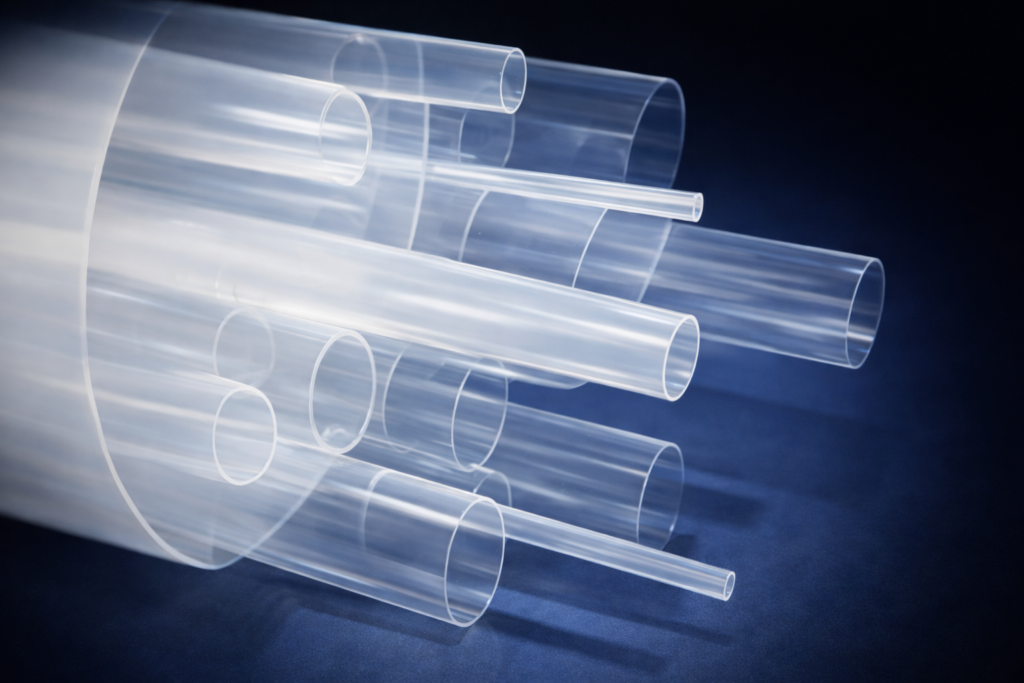
It is also important to view PFA lined heat exchangers as part of a broader corrosion management strategy. They may sit alongside lined pipework, vessels, tubing or other fluoropolymer protected components within the same plant. Consistency in material selection, supplier understanding and service documentation can make a significant difference to long term reliability.
Existing Holscot content on PFA heat exchangers provides further background on this application area. For engineers specifying or upgrading heat exchange equipment in corrosive service, the combination of PFA lining with proper design and supplier support offers one of the most practical routes to reliable, long life performance.
Ultimately, the appeal of PFA lining is simple. It allows chemical processors to protect heat transfer equipment against media that would otherwise shorten life, compromise purity or create repeated maintenance headaches. It supports cleaner operation, better resistance and greater confidence where the process environment leaves little room for error.
When engineers specify PFA lined heat exchangers well, they are not choosing an exotic option for its own sake. They are making a practical decision to match material performance to process reality. In corrosive chemical service, that is often the difference between an exchanger that merely survives and one that performs properly over time.
Contact Holscot to discuss PFA lining solutions for your chemical processing equipment.