
What Is Industrial PTFE Coating and Why Does It Matter?
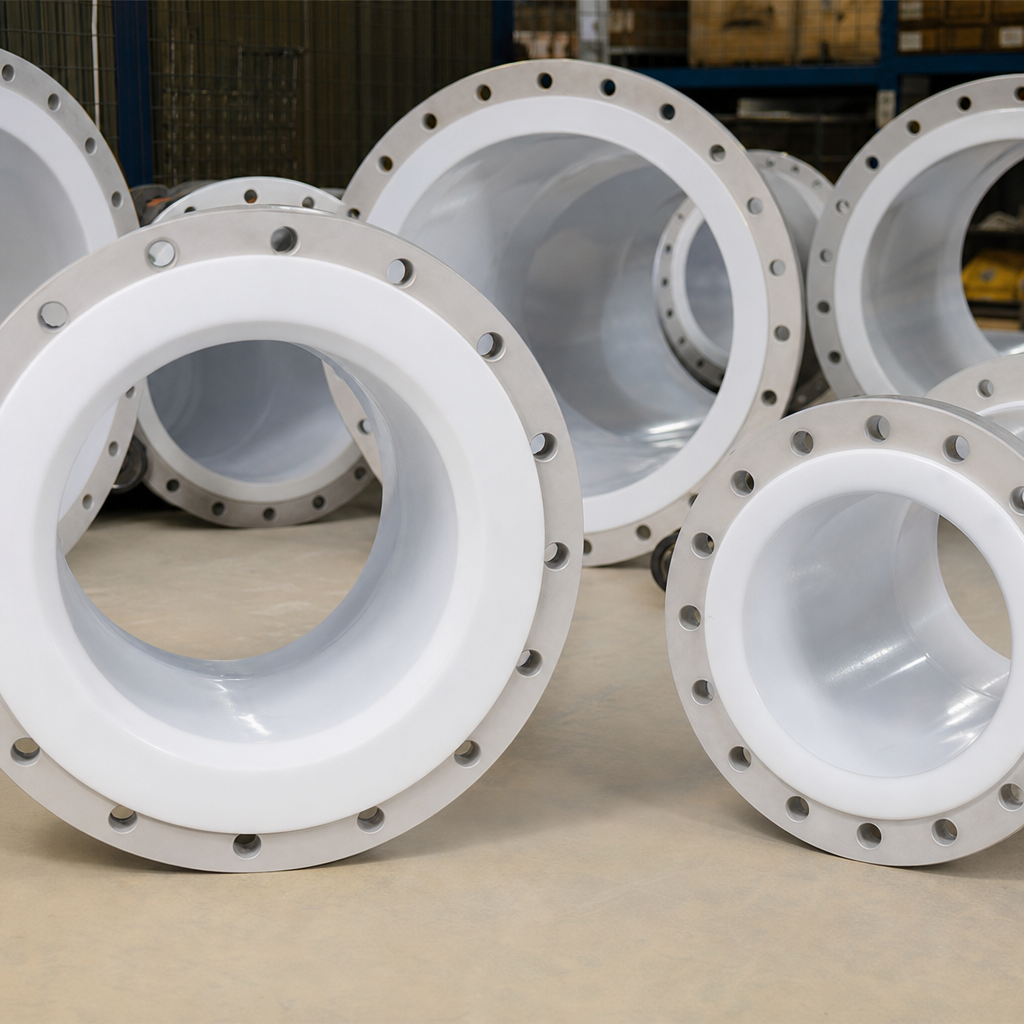
PTFE coating is one of those technologies that many manufacturers rely on every day without always stopping to think about how much work it is actually doing. When a component releases cleanly, resists attack from aggressive media, wipes down easily or keeps performing under heat, there is often a fluoropolymer coating in the background making that possible. In industrial settings, PTFE coating is not a cosmetic finish and it is not a simple add on. It is a functional engineering surface designed to solve stubborn problems.
That is why industrial PTFE coating continues to be specified across sectors as varied as food processing, converting, print, packaging, chemicals, textiles, aerospace and general manufacturing. The needs differ, but the underlying logic is familiar. You want surfaces that resist sticking, reduce build up, tolerate heat, survive cleaning and protect the underlying substrate. PTFE is often the material that brings those demands together.
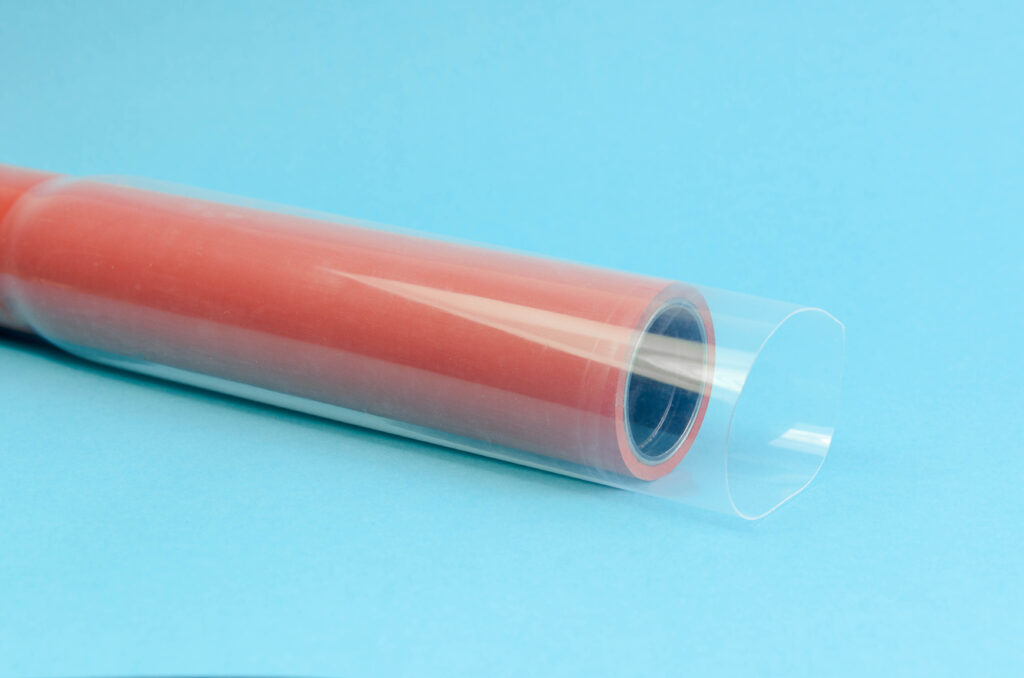
At its simplest, PTFE coating is the application of a fluoropolymer layer onto a component surface in order to change the way that surface behaves. The base part might be steel, aluminium or another suitable substrate. Once coated and cured properly, that part can gain a low friction, non stick, chemically resistant working surface that performs very differently from bare metal.
This matters because many industrial problems are surface problems. Product build up on rollers, mould fouling, adhesive transfer, ink contamination, difficult cleaning, corrosion, friction and premature wear are all issues that can begin at the interface between a process and the equipment running it. Changing the bulk material of a part is not always practical. Changing the surface often is.
Non-Stick Performance and Low Friction in Manufacturing
PTFE is well known for its low coefficient of friction and strong release properties. That makes it especially useful where materials have a tendency to stick, smear, bond or accumulate. In manufacturing, that can translate into faster cleaning, more consistent product flow, fewer stoppages and better finish quality. For rollers, platens, guides, chutes and tooling, the benefit is usually operational rather than theoretical. The line runs cleaner and with less intervention.
One of the most common reasons manufacturers choose industrial PTFE coating is non stick performance. In real production environments, material release is often the difference between stable throughput and constant interruption. Adhesives, polymers, food products, inks, resins and process residues all create sticking risks. When they build up on equipment, operators lose time to cleaning, output becomes inconsistent and quality suffers.
A properly specified PTFE coating can reduce that build up significantly. The surface energy is low, so many materials are less inclined to adhere strongly. That does not mean nothing will ever stick, and good process discipline still matters. It does mean the surface is easier to keep clean and usually far easier to restore when contamination occurs.
The Industrial PTFE Coating Process
The industrial coating process itself deserves a closer look, because performance depends heavily on preparation and application quality. Good PTFE coating starts long before any fluoropolymer is sprayed. The substrate must be assessed for suitability, geometry, thermal behaviour and end use. Surface preparation is critical. Components are typically cleaned thoroughly and then mechanically roughened, often by grit blasting, to create a profile that helps the coating anchor properly.
Once the surface is prepared, the coating system is applied in one or more layers depending on the specification. Industrial PTFE coatings are not always a single pass material. Primer layers may be used to promote adhesion. Mid and top coats may be built up to achieve the required release, thickness or durability. After application, the coated part is cured at controlled temperature so the fluoropolymer can sinter and form the final performance layer.
This is one reason buyers should be cautious about treating coating as a commodity. The right coating on the wrong substrate, applied without proper preparation, is a short term fix at best. Surface profile, coating build, cure cycle, geometry and service conditions all matter. A roller in a converting line will not necessarily need the same system as a component in a chemical environment or a part exposed to repeated mechanical handling.
Chemical Resistance and Temperature Performance
Another major advantage is chemical resistance. PTFE stands up well against a broad range of industrial chemicals, which makes it useful where washdown, exposure or splash contact are routine. In some sectors, this is not just about corrosion prevention. It is about preserving cleanability and preventing surface degradation over time. A bare metal part may corrode, stain or react in ways that compromise process control. A coated surface can offer a more stable working interface.
Temperature performance is another reason PTFE remains popular in demanding environments. Industrial processes often involve repeated heating and cooling, elevated operating temperatures or short exposure to hotter zones. PTFE coatings are valued because they retain useful performance in conditions where many conventional coatings struggle. That can be important in sealing equipment, packaging lines, heated platens, drying systems and thermal processing applications.
Low friction is equally important, even when non stick is the headline feature. In some applications the real gain comes from reducing drag, scuffing or abrasion between surfaces. Guides, chutes, sliders and handling components can all benefit from a surface that allows smoother movement and less resistance. This may help reduce product marking, improve consistency or lower the force required in a given operation.
Which Industries Use PTFE Coating?
Which industries use industrial PTFE coating most? Food and packaging are obvious examples because hygiene, cleanability and release all matter. Print and converting operations also use PTFE coated rollers and surfaces where adhesives, inks and web handling create contamination risks. Textile finishing, composite processing and moulding applications often value PTFE for similar reasons. Chemical manufacturing may specify coated surfaces where process media, cleaning systems or atmospheric exposure make corrosion resistance important. General engineering uses are broader still, from slide surfaces to custom fixtures.
In practice, buyers often ask not just whether PTFE can do the job, but whether PTFE is the right fluoropolymer coating compared with FEP or PFA. That is a sensible question. PTFE offers excellent release, broad chemical resistance and proven industrial performance, but there are cases where melt processable fluoropolymers or other systems may suit the application better. The correct answer depends on the substrate, service temperature, required finish, mechanical stress and whether the coating must meet a particular processing or compliance need.
Why Supplier Quality and Application Knowledge Matter
This is where a practical supplier relationship matters. The best coating advice starts with the process, not the product catalogue. What is sticking? At what temperature? What cleaning regime is used? What is the substrate? How much abrasion is involved? Is the part static or rotating? Does it need refurbishment? What matters most: release, wear, chemical resistance, finish or service life? Without those answers, a coating recommendation is little more than guesswork.
Industrial PTFE coating also has a maintenance story that is often undervalued. When a coating works properly, the benefit is not only that the process performs better. It is that maintenance becomes more predictable. Cleaning times reduce. Build up is easier to remove. The chance of aggressive scraping or improvised tool use decreases. In many cases, that helps preserve both the coated part and the surrounding equipment.
There is also an asset life argument. Replacing an entire part because its surface no longer performs can be expensive and disruptive. Coating or recoating selected components may offer a more efficient route, especially for rollers, covers and custom hardware where geometry and fit matter. The coating becomes part of a broader reliability strategy rather than a one off treatment.
For UK manufacturers, another practical consideration is supplier capability. Industrial coating is most effective when the supplier understands manufacturing realities: lead times, tolerances, substrate constraints, cleaning expectations and what failure actually looks like on a live production line. Holscot’s experience across fluoropolymers, including PTFE coating and associated non stick applications, means the discussion starts from function. The question is not simply whether a part can be coated. It is what the coating needs to achieve in service.
That is why PTFE coating still has such staying power. It solves recurring industrial problems in a way that is measurable on the shop floor. Cleaner release, easier maintenance, more stable surfaces, better process consistency and improved durability are not marketing claims when they show up in less downtime and fewer rejected parts.
For any manufacturer reviewing equipment performance, PTFE coating is worth considering wherever sticking, contamination, friction or chemical attack are undermining productivity. The strongest results come when the coating is treated as an engineered surface, specified around the process and applied with proper preparation. Done well, it is not just a finish. It is a process improvement.
If you need advice on PTFE coating for your manufacturing equipment, contact Holscot to discuss your specific application requirements.