
Understanding the UK PFAS Plan and Its Impact on Fluoropolymer Users
The conversation around PFAS has moved well beyond specialist chemical circles. It now sits firmly on the desks of procurement teams, compliance managers, manufacturers, OEMs and anyone specifying high performance materials in regulated industries. In the UK, that conversation took a clear step forward with the publication of the government’s PFAS Plan in February 2026. For businesses that use fluoropolymers, the immediate question is simple: what changes now, and what should we be doing about it?
The short answer is that fluoropolymer users should take the issue seriously, but not panic. The UK approach set out in early 2026 is structured around understanding sources, managing pathways and reducing exposure. It is not a blanket overnight ban on every fluorinated material. It is a signal that scrutiny will increase, evidence requirements will strengthen, and businesses using PFAS related materials will need to show that their applications are justified, controlled and responsible.
That matters because fluoropolymers sit in a very different category from many of the PFAS uses that attract the most public concern. Materials such as PTFE, FEP, PFA and ETFE are typically used in demanding industrial applications because they offer combinations of heat resistance, chemical resistance, electrical performance, cleanliness and service life that are difficult to replicate. In practice, that means they often support safety critical systems, contamination sensitive processes and long asset lifecycles. The regulatory challenge is not simply whether they are fluorinated. It is whether risk, release, exposure and available alternatives are understood properly.
Direction of Travel: What the February 2026 PFAS Plan Signals
For UK fluoropolymer users, the first thing to understand is the direction of travel. The February 2026 PFAS Plan makes clear that government intends to act proportionately but decisively. It recognises the environmental persistence of PFAS and the need to reduce harmful impacts, while also acknowledging that some PFAS uses still deliver important social, industrial and economic value. That point is crucial. There is a difference between wide dispersive, avoidable uses and specialised technical uses where substitution is not straightforward.
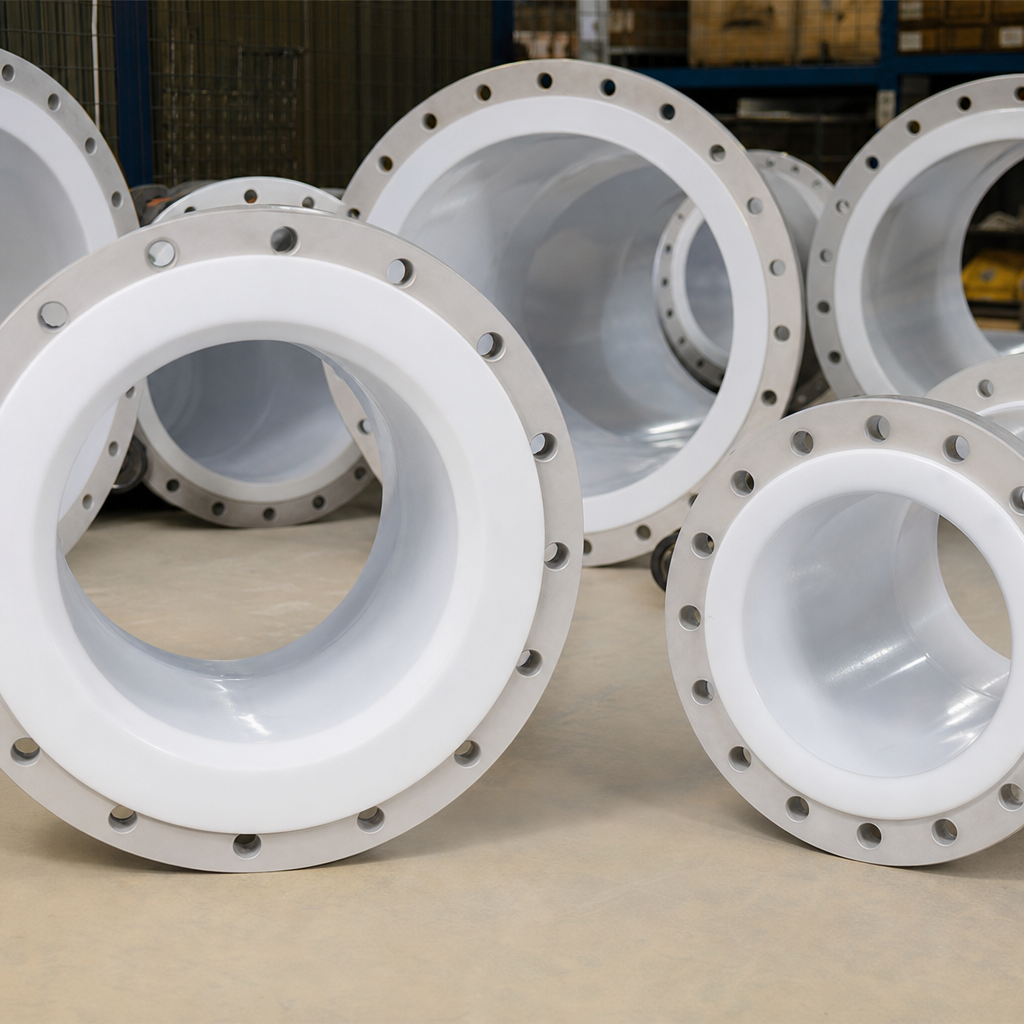
This is where fluoropolymers are often discussed differently from shorter life consumer applications. In many industrial settings, fluoropolymer components are selected because failure is costly, contamination is unacceptable or exposure to aggressive chemistry is unavoidable. A PFA lined component inside a corrosive chemical process is not comparable to a casual convenience use. An ETFE architectural system designed for long service life and low maintenance is not equivalent to a disposable consumer item. A PTFE coated release surface in manufacturing is often there because process reliability depends on consistent non stick performance under heat and pressure.
That does not mean fluoropolymer users can assume exemption by default. It means the case for continued use has to be made carefully. Increasingly, regulators want to know where PFAS are being used, how they are handled, what emissions or losses may occur across the life cycle, and whether credible alternatives exist. For manufacturers and buyers, the practical implication is that material choice now needs to sit alongside traceability, application rationale and supplier transparency.
What UK Fluoropolymer Users Should Be Doing Now
So what should UK fluoropolymer users be doing in response to the PFAS Plan? Start with visibility. Many organisations do not have a single clear view of where fluoropolymer materials appear across operations. They may sit in tubing, seals, linings, heat shrink products, films, coated surfaces or custom fabricated parts sourced across different teams. A sensible first step is to map those uses by function, criticality and exposure profile. Which products are in direct process contact? Which are enclosed? Which are consumable? Which are structural? Which are likely to be scrutinised first if a customer asks for PFAS disclosure?
The second step is application level justification. Not every fluoropolymer use carries the same strategic weight. In some cases the material is genuinely irreplaceable without compromising safety, temperature performance, media resistance or equipment life. In other cases there may be alternatives worth reviewing. The key is not to make rushed substitutions for the sake of optics. Replacing a proven fluoropolymer with a material that fails early, contaminates product, increases downtime or introduces other hazards is not good compliance. It is poor engineering. The goal is evidence based decision making.
The third step is supplier engagement. This is where informed supply matters. Buyers need suppliers who understand the regulatory backdrop, can discuss material families with precision, and can support responsible specification rather than simply selling a grade on habit. At Holscot, that means working from actual application needs: temperature, chemistry, electrical demands, mechanical stress, cleanliness, fabrication constraints and service life. It also means being realistic about where fluoropolymers remain the best option and where customers may need help reviewing the wider compliance picture.
Why Fluoropolymers Are Treated Differently in Regulatory Discussions
Another important point is that fluoropolymer users should be prepared for more customer and auditor questions. Even where no immediate legal change affects a specific application, commercial expectations are changing. Customers increasingly ask whether a product contains PFAS, whether alternatives are available, what standards apply, and how waste or end of life considerations are managed. Businesses that can answer clearly will be in a stronger position than those relying on vague assumptions or outdated technical sheets.
Why, then, are fluoropolymers seeking exemptions or special treatment in regulatory discussions? The reason is not that industry wants a free pass. The reason is that fluoropolymers are often considered separately because their use profile, risk profile and technical role can differ materially from other PFAS categories. They are typically high molecular weight polymers used in durable applications, often within closed systems, engineered components or long life assets. In many cases, they help prevent corrosion, leakage, contamination and premature failure. Removing them without workable replacements can create knock on environmental and safety problems rather than solving them.
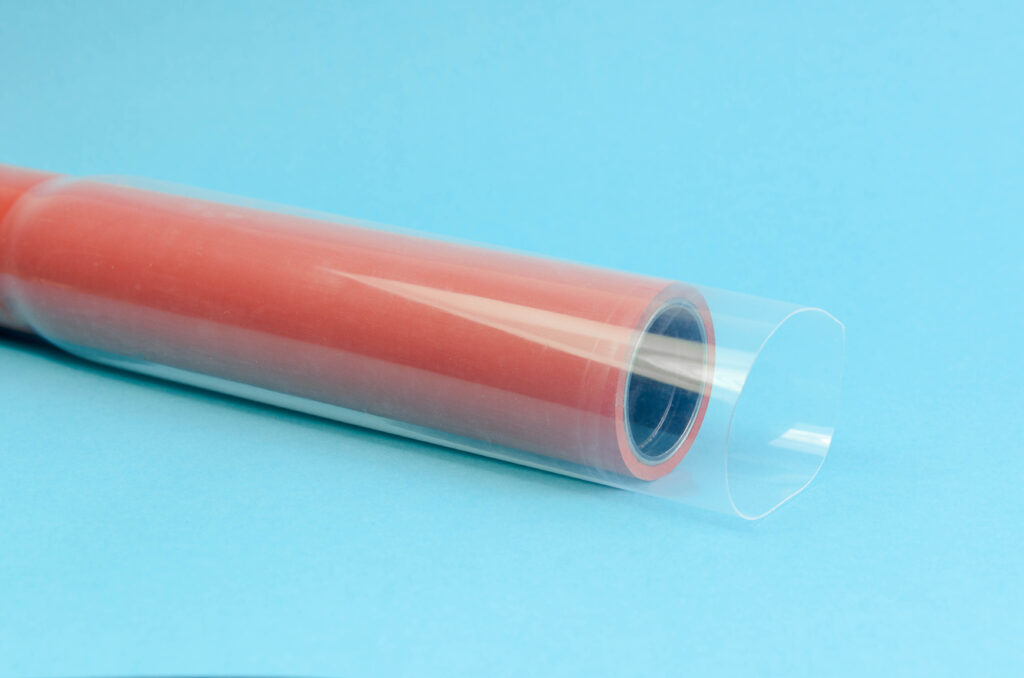
Consider a chemically aggressive process line. If a fluoropolymer lining prevents metal corrosion, extends equipment life and reduces the risk of leaks, that is not a marginal benefit. It is a core engineering control. The same is true in high purity tubing systems, advanced electrical insulation, heat shrink protection for specialised components, or ETFE systems where low weight and weather durability can materially influence design outcomes. Exemptions are usually argued where the use is essential, alternatives are limited, and the balance of risk favours controlled continued use while substitution work continues.
Building a Stronger Compliance Position
For UK users, the smart approach is to move away from general statements and toward application specific reasoning. Instead of saying we have always used PFA, the stronger position is: we use PFA here because the process requires chemical resistance at this temperature, contamination risk is low, no viable material has matched service performance, and the system is controlled. That level of explanation is increasingly valuable.
There is also an operational point worth making. Long term compliance rarely comes from dramatic one off changes. It comes from better material governance. That means approved material lists, clearer product data, supplier documentation, design review triggers when material changes are proposed, and more disciplined purchasing. Businesses that treat fluoropolymers as specialist engineered materials rather than generic plastics will find it easier to defend their decisions.
For many UK companies, the most sensible next step is not wholesale redesign. It is a structured review of where fluoropolymers are used, why they are used and what evidence supports each use. That review should include technical necessity, customer expectations, regulatory sensitivity and lifecycle handling. In some cases it may confirm the current specification is robust. In others it may reveal opportunities to improve disclosure, reduce unnecessary usage or begin a longer term substitution assessment.
How an Experienced Fluoropolymer Supplier Supports Compliance
What the February 2026 PFAS Plan really changes is the level of attention around the category. It raises the expectation that industry will know its materials, understand its exposures and justify its choices. For fluoropolymer users, that does not remove these materials from the engineer’s toolkit. It means they need to be selected and managed with greater care.
That is exactly where an experienced fluoropolymer supplier adds value. Holscot has worked exclusively in fluoropolymer technology for decades, supplying engineered solutions across extrusion, heat shrink, coatings, film, containment and architectural applications. In a market where material choice now carries technical, commercial and regulatory weight, informed support matters. The right supplier should not simply provide a product. They should help ensure the material, the application and the compliance context all align.
Fluoropolymers are not disappearing from serious industry any time soon. But the era of treating them as invisible background materials is over. UK users who understand that shift, document their reasoning and work with knowledgeable suppliers will be in a far stronger position than those who wait for pressure to arrive.
If you are reviewing your fluoropolymer usage or need guidance on material selection in light of evolving PFAS regulations, contact Holscot to discuss your requirements with a specialist team that understands both the materials and the compliance landscape.