
Selecting the right fluoropolymer material is a critical decision in industrial and manufacturing environments. Factors such as chemical exposure, operating temperature, flexibility, transparency and fabrication requirements all influence whether a component performs reliably over time or becomes a point of failure.
This guide explains the practical differences between FEP, PFA, PTFE and ETFE, helping engineers, specifiers and procurement teams make informed material choices based on real-world operating conditions rather than headline properties alone.
Understanding Fluoropolymers in Industrial Applications
Fluoropolymers are valued for their exceptional resistance to chemicals, high and very low temperature resistance and low environmental degradation. However, not all fluoropolymers behave in the same way. Each material offers a different balance of mechanical strength, flexibility, processability and cost.
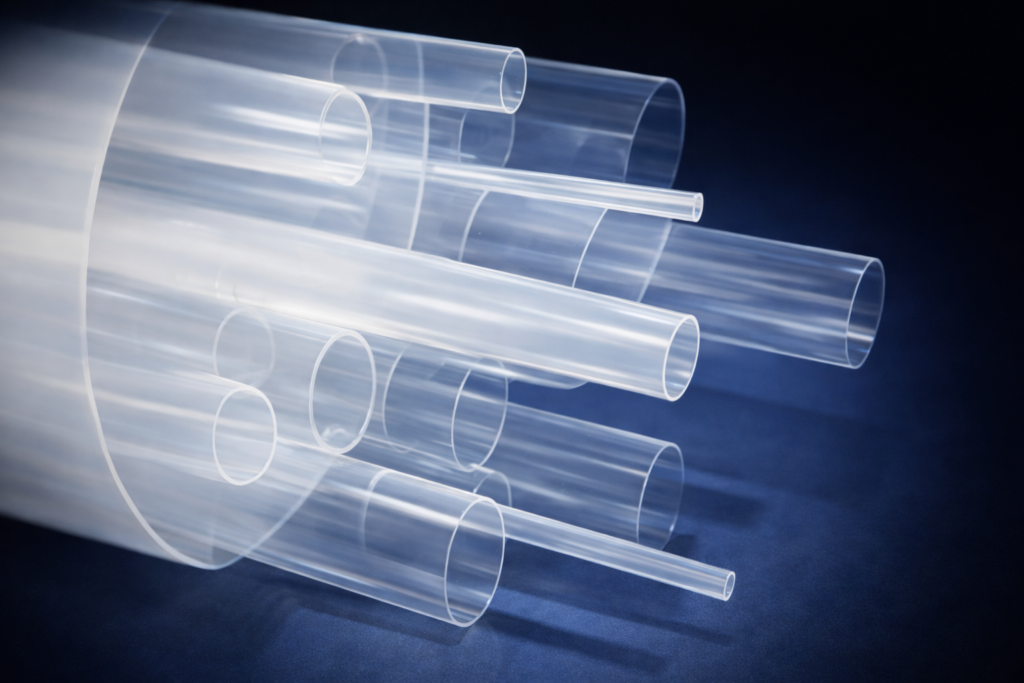
At Holscot Advanced Polymers Limited, fluoropolymers are supplied in multiple formats, including extrusions, films, sheets and heat-shrink products, allowing material selection to be closely matched to application needs rather than forced compromises. You can view the full scope of Holscot’s fluoropolymer capabilities to understand how these materials are supplied across different applications.
FEP (Fluorinated Ethylene Propylene)
Best suited for: chemical handling, electrical insulation, light protection and flexible tubing.
FEP combines excellent chemical resistance with good clarity and flexibility. Unlike PTFE, it can be melt-processed, making it suitable for precision extrusion and thin-wall applications.
Key characteristics:
- Strong chemical resistance across a wide range of media
- Good transparency and smooth surface finish
- Continuous operating temperatures typically up to around 160°C
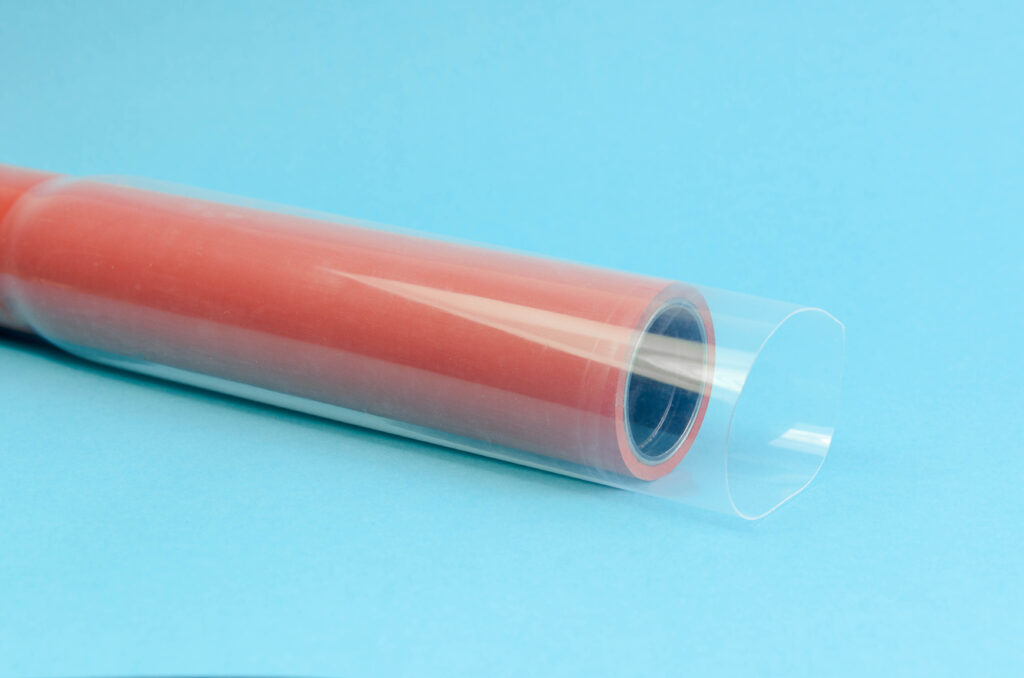
- Suitable for heat-shrink processing
FEP is commonly used where visibility, cleanliness and chemical compatibility are essential. Typical applications include tubing, protective film & sleeving and specialist light protection products.
Holscot’s fluoroplastic extrusion solutions for FEP and related materials support applications where tight tolerances and consistent material performance are required.
In lighting environments, FEP is also used in lamp protection systems designed for shatter resistance and UV stability, helping to improve safety and compliance.
PFA (Perfluoroalkoxy)
Best suited for: high-temperature chemical processing and demanding fluid transfer systems.
PFA offers similar chemical resistance to PTFE but with improved melt-processability and better performance at elevated temperatures compared to FEP. It is often selected when long-term exposure to aggressive chemicals and heat / high pressure is unavoidable.
Key characteristics:
- Excellent chemical resistance comparable to PTFE
- Higher temperature performance than FEP (max ~220C)
- Smooth internal surfaces suitable for high-purity systems
- Can be extruded and fabricated into complex shapes
PFA is frequently specified in chemical processing equipment and high-purity PFA for semiconductor manufacturing & fluid handling applications where material integrity is critical over long service lives.
PTFE (Polytetrafluoroethylene)
Best suited for: extreme chemical resistance and non-stick performance.
PTFE is often the most well-known fluoropolymer. It offers outstanding resistance to almost all chemicals and very high temperature tolerance. However, it cannot be melt-processed, which limits fabrication options compared to FEP and PFA.
Key characteristics:
- Exceptional chemical resistance
- Very high temperature capability
- Extremely low friction and non-stick properties
- Requires specialised forming methods rather than standard extrusion
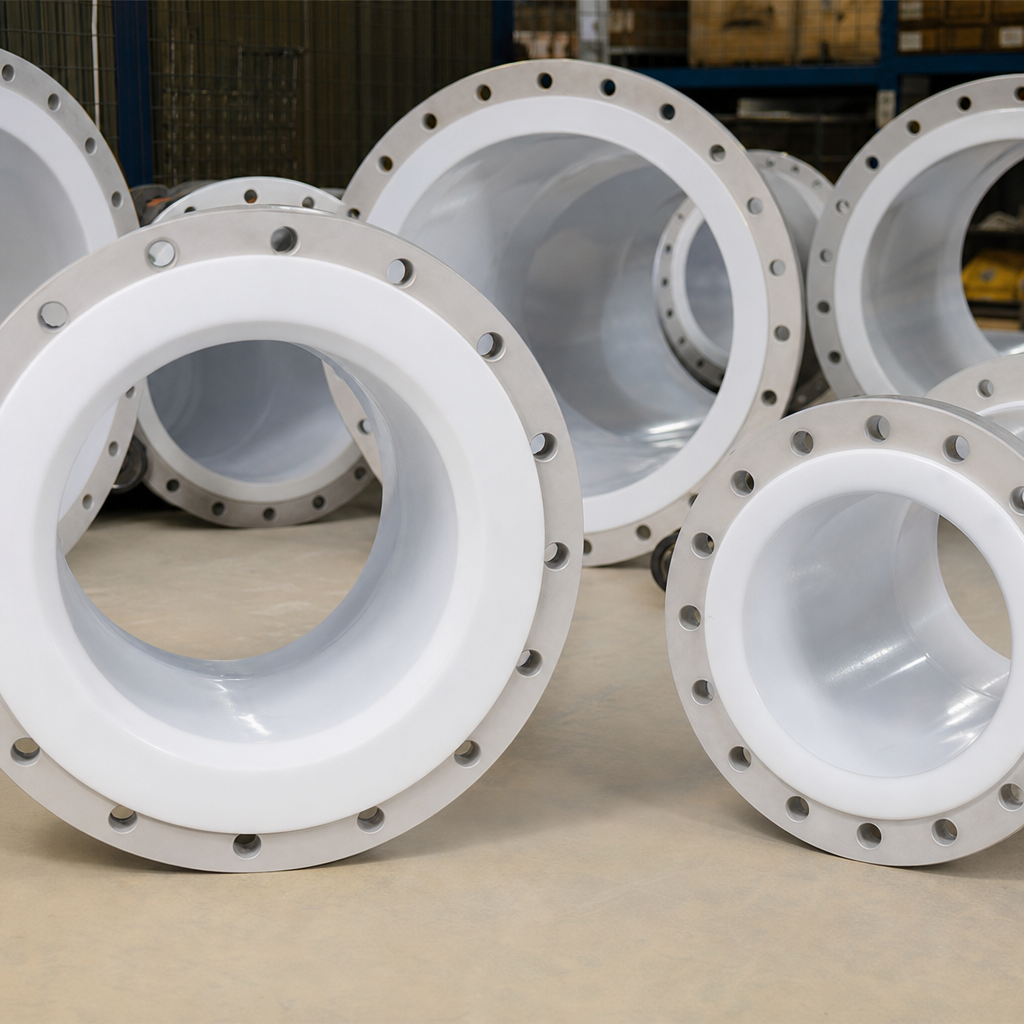
PTFE is commonly used in gaskets, seals, linings and components where chemical exposure is severe and flexibility is less critical.
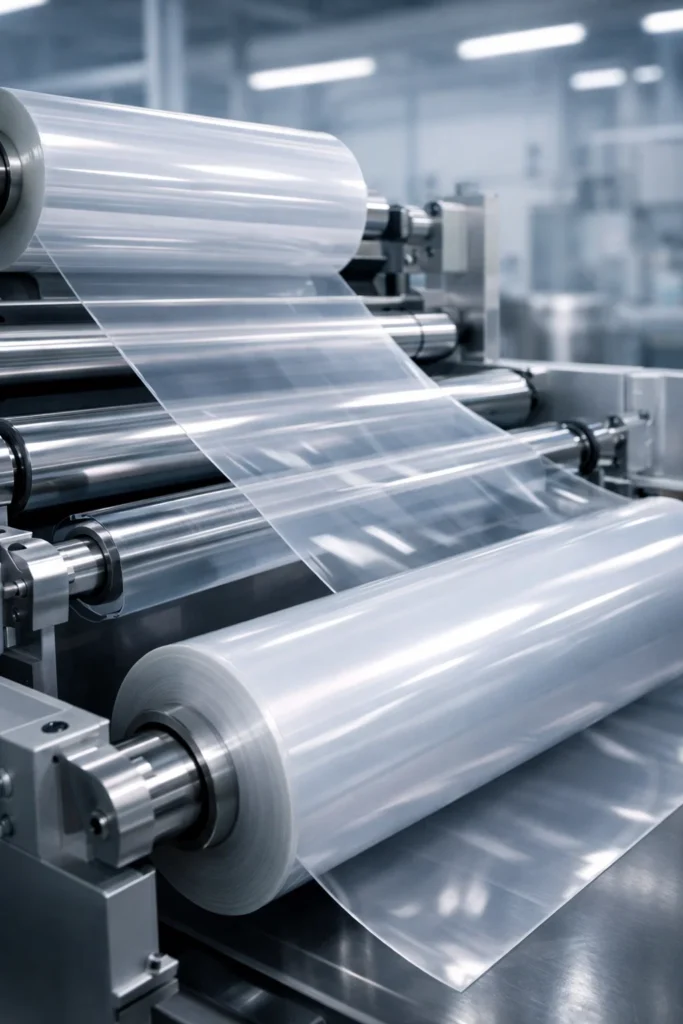
Where flat materials are required, fluoropolymer films and sheets are often specified to provide dimensional stability, chemical resistance and consistent performance.
ETFE (Ethylene Tetrafluoroethylene)
Best suited for: mechanical durability, outdoor exposure and structural applications.
ETFE differs from other fluoropolymers by offering greater mechanical toughness and impact resistance while maintaining good chemical and UV resistance. It is often chosen where strength and longevity are priorities.
Key characteristics:
- High mechanical strength and tear resistance
- Excellent UV and weather resistance
- Lower maximum temperature than PTFE and PFA
- Suitable for outdoor and architectural environments
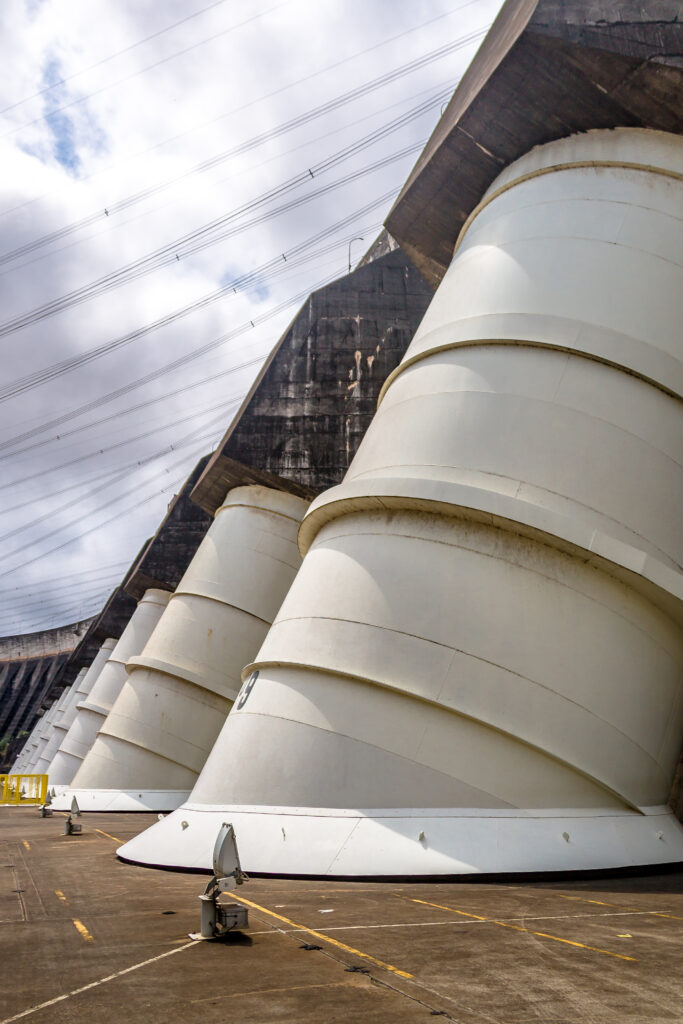
ETFE is increasingly used in architectural structures, protective coverings and applications exposed to continuous environmental stress.
Comparing Fluoropolymers: Practical Selection Considerations
Rather than focusing on material names alone, selection should be driven by application requirements:
| Requirement | Typically Best Option |
| High chemical resistance with flexibility | FEP or PFA |
| Highest temperature and chemical exposure | PTFE |
| Outdoor durability and impact resistance | ETFE |
| Transparency and cleanability | FEP |
| Fabrication via extrusion or heat-shrink | FEP or PFA |
For applications requiring tight-fitting protection, insulation or strain relief, heat-shrink fluoropolymer sleeving is often preferred due to its clean installation and long-term durability.
Why Application Context Matters More Than Material Labels
A common mistake in fluoropolymer specification is selecting a material based solely on its reputation rather than its suitability for the operating environment. Factors such as mechanical stress, cleaning regimes, installation constraints and regulatory requirements can all influence long-term performance.
By matching material properties to real operating conditions, it is possible to reduce maintenance, improve reliability and extend service life.
Getting the Most from Fluoropolymer Materials
Choosing between FEP, PFA, PTFE and ETFE is rarely about finding the “best” material overall. Instead, it is about selecting the most appropriate material for a specific use case.
Holscot Advanced Polymers Limited supports this process by supplying fluoropolymers in multiple forms, including extrusions, films, sheets and heat-shrink products, allowing designs to be optimised without compromise. Further technical detail is available when you explore Holscot’s fluoropolymer product range.
Final note
This article is intended as an educational guide. Material selection should always be based on detailed performance requirements and application-specific conditions.