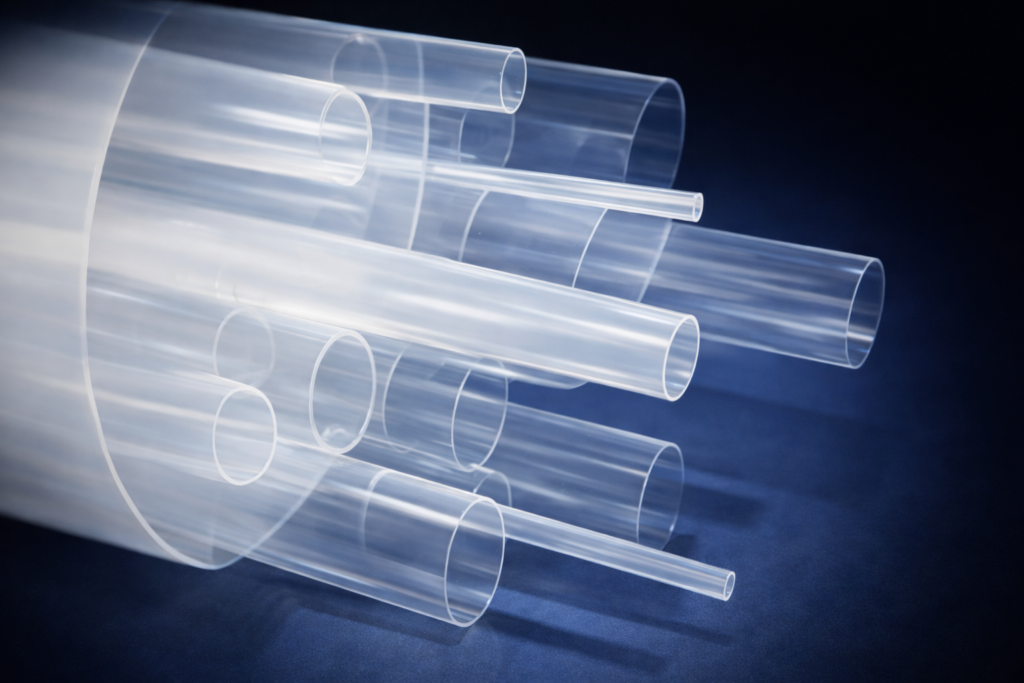

ETFE has become one of the most trusted materials in engineering, architecture and specialist manufacturing. It is light, extremely durable and highly resistant to chemicals, temperature changes and UV. Yet many buyers still feel unsure about which format they actually need. The two main options are ETFE film and ETFE sheet, and although they share the same base polymer, they behave very differently in real-world applications.
This guide breaks down the differences in clarity, strength, flexibility and long-term performance so you can choose the right option for your project. It also explains when ETFE film is more suitable than sheet, and when the reverse is true.
To help further, you can also explore detailed specifications on Holscot’s product page.
What Is ETFE?
ETFE, or ethylene tetrafluoroethylene, is a high-performance fluoropolymer known for its exceptional toughness. It withstands harsh chemicals, extreme temperatures and constant UV exposure. It also offers better light transmission than most plastics and does not degrade or yellow over time.
Although both ETFE film and ETFE sheet use the same polymer, the manufacturing process changes the thickness, flexibility and performance characteristics.
ETFE Film: Thin, Flexible and Ideal for Lightweight Structures
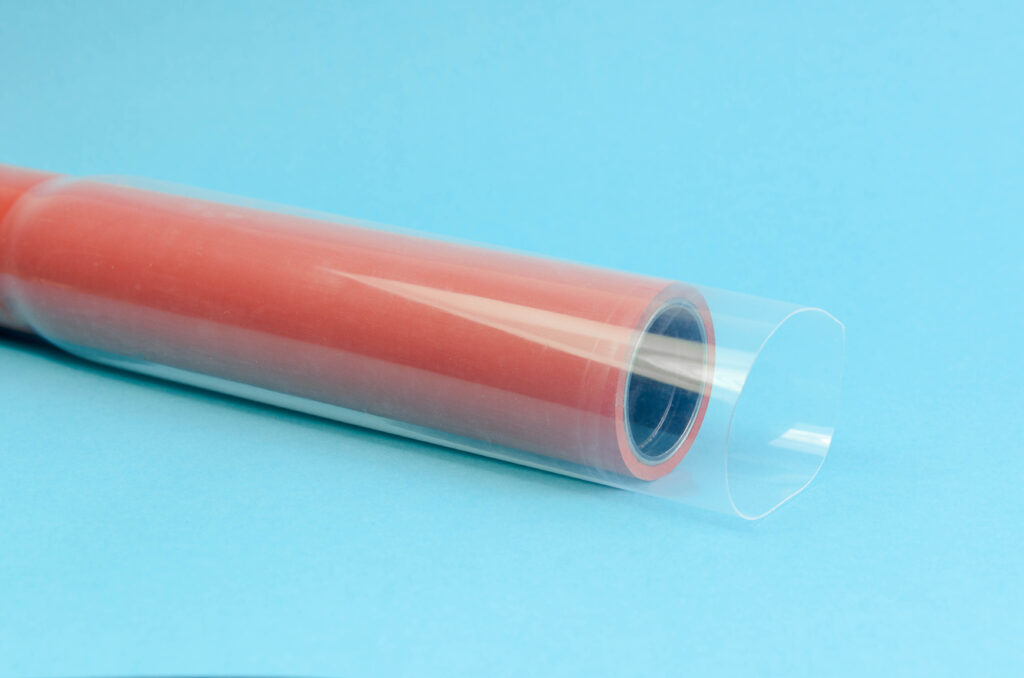
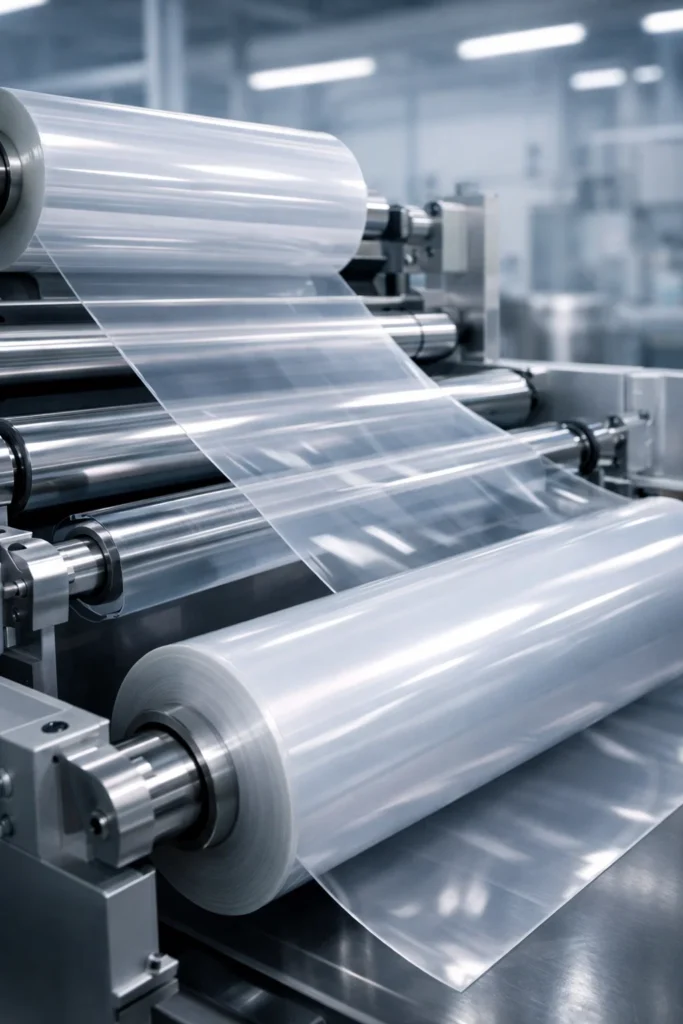
ETFE film refers to material produced in very thin gauges, often between 12 and 250 microns. Despite its low weight, ETFE film is incredibly strong for its thickness. This makes it a popular choice in modern architectural design, protective laminates and solar technologies.
Key Advantages of ETFE Film
1. Outstanding transparency
ETFE film has one of the highest visible light transmission levels of any polymer. This is why it is used in membrane structures, skylights and greenhouses.
2. High tensile strength for its weight
Film does not provide structural rigidity, but when used in tension systems, it delivers impressive load-handling performance.
3. Flexibility
ETFE film bends easily and adapts to curves, laminates and protective layers without losing clarity.
4. Excellent chemical and weather resistance
Even in film form, ETFE withstands acids, solvents, pollution and continuous weather exposure.
Best Uses for ETFE Film
- Architectural cushions and membrane roofs
- Greenhouses and horticulture environments
- Solar panel laminates
- Release films for moulding
- Lightweight protective layers
- Printed electronics
- Aerospace applications
ETFE Sheet: Thick, Rigid and Made for Mechanical Strength
ETFE sheet is produced in much thicker gauges, often several millimetres. This produces a rigid, self-supporting material that behaves like an engineering plastic.
Key Advantages of ETFE Sheet
1. Impact and abrasion resistance
ETFE sheet withstands repeated wear and mechanical stress.
2. Structural stability
Its rigidity makes it ideal for fabricated parts, components and industrial systems.
3. Chemical resistance for harsh environments
It performs reliably in corrosive settings, including chemical processing and water treatment.
4. Thermal and electrical insulation
ETFE sheet remains stable across extreme temperatures.
Best Uses for ETFE Sheet
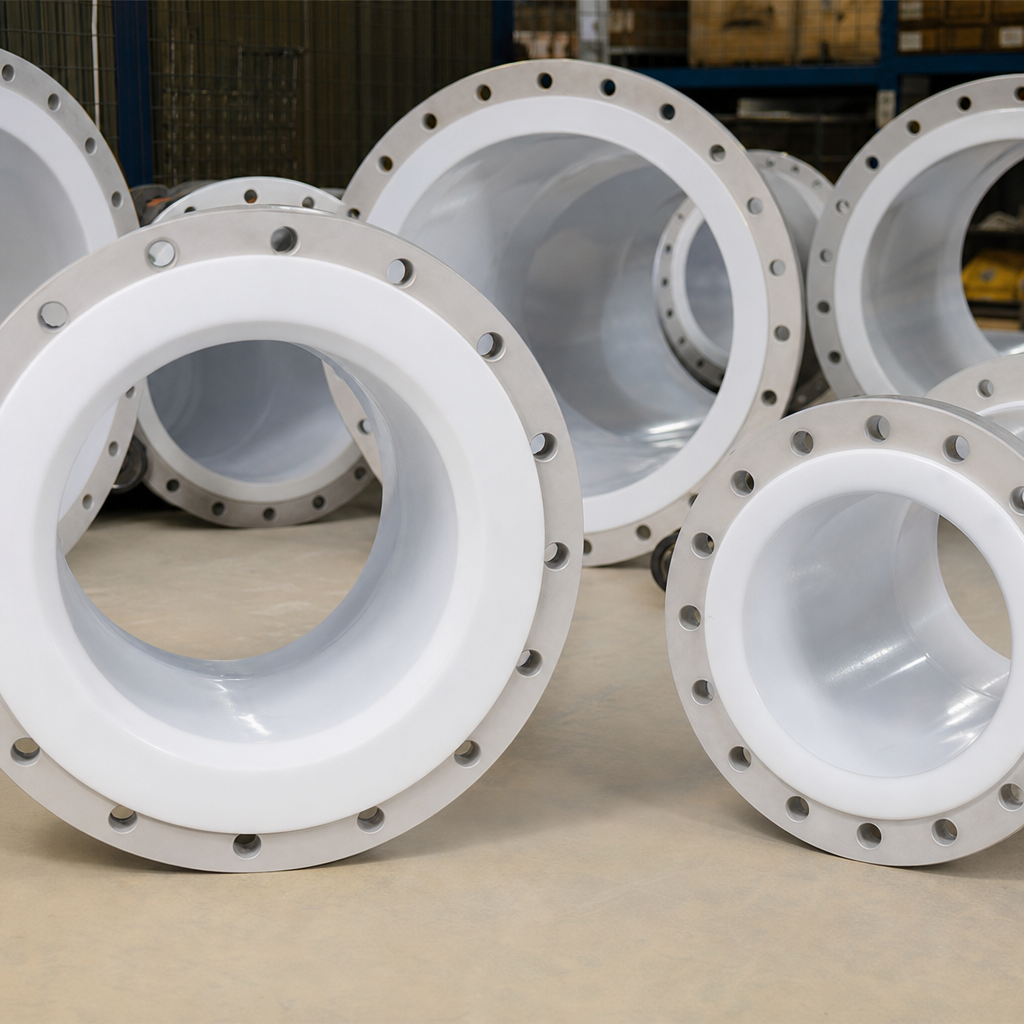
- Tank and pipe linings
- Fabricated industrial components
- Pump parts and valves
- Electrical insulation
- Wear-resistant components
- Chemical process equipment
ETFE Film vs ETFE Sheet: The Main Differences
1. Strength and Rigidity
- Film is strong under tension but not self-supporting.
- Sheet is rigid and self-supporting.
2. Transparency
- Film offers exceptional optical clarity.
- Sheet is clear but not as optically pure as film.
3. Weight
- Film is ultra-lightweight.
- Sheet is heavier and closer to traditional plastics.
4. Flexibility
- Film bends and stretches easily.
- Sheet remains rigid.
5. Weather and Fire Performance
Both versions resist weathering, UV and temperature shifts. The choice rarely depends on this factor alone.
Which Should You Choose?
Choose ETFE film when you need transparency, flexibility or lightweight materials.
Choose ETFE sheet when you need strength, rigidity or long-term mechanical durability.
If you want to compare thicknesses, performance values and specifications, Holscot provides full product guidance here.