
If you’ve ever spent time on a food production floor, you’ll know the pace is relentless. Everything is moving — literally and figuratively — and there’s a constant balancing act between keeping things hygienic and keeping the line running.
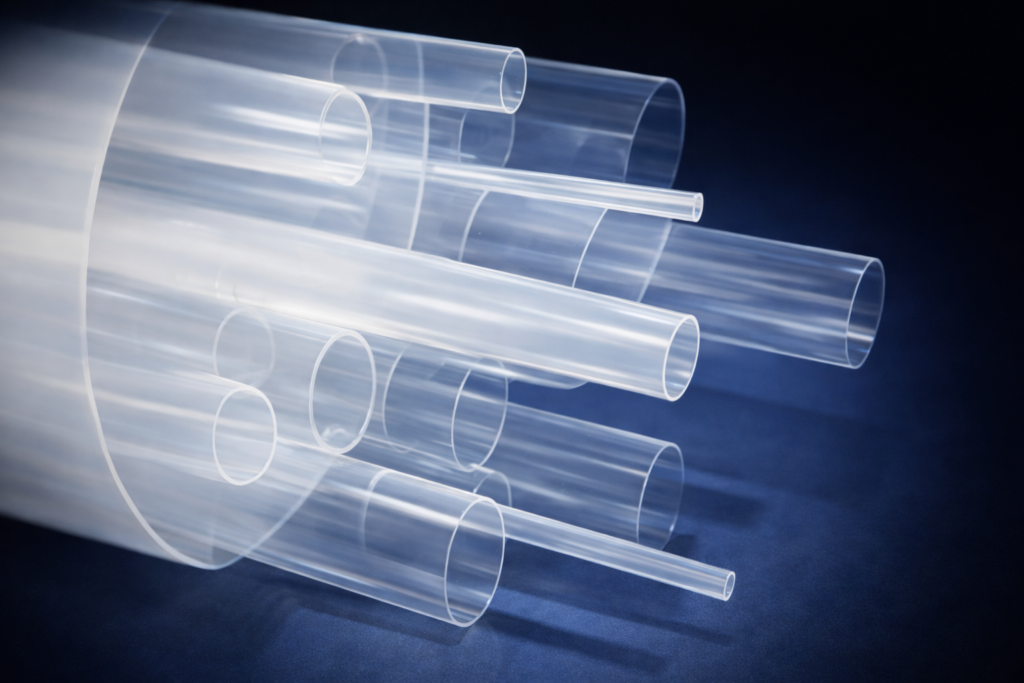
We tend to think about food safety in terms of what’s obvious: stainless steel tables, hairnets, colour‑coded tools. All important, sure, but the truth is a lot of hygiene comes down to something less visible: the surfaces food actually touches. And in more and more plants, those surfaces are made from FEP — that’s fluorinated ethylene propylene if you want the technical name.
A material built for the job
I’ve seen plenty of kit over the years that looked food‑safe until you looked closely. Micro scratches, pitted welds, tiny spots where residue clings no matter how often it’s scrubbed. That’s where problems start.
FEP avoids that by giving you a completely smooth, chemically‑resistant surface. It doesn’t absorb, it doesn’t pit, and it doesn’t react to strong cleaning agents. It’s one of the few materials that can handle both caustic sanitisers and sudden shifts from freezer‑cold to piping‑hot without changing shape.
Less sticking, less stopping
Ask anyone in a bakery or confectionery plant and they’ll tell you the same thing — sticking is the enemy. Dough, caramel, chocolate, cheese… once it starts building up, you’re cleaning instead of producing.
FEP has a naturally non‑stick surface, so products slide rather than cling. That means shorter clean‑downs, fewer stoppages, and less wasted product. For some switching to FEP‑coated trays has cut cleaning time by almost half.
Coatings that actually stay hygienic
When you apply hygienic fluoropolymer coatings like FEP, you’re not just covering the surface; you’re sealing off every microscopic gap. Bacteria don’t get the foothold they do with metal or standard plastics. It’s easier to clean, quicker to inspect, and it stays that way for years.
Where it’s being used
In real terms, here’s where FEP food processing is making the difference:
- Dairy plants keeping milk stone at bay in pipework and tanks
- Sweet factories stopping sugar from welding itself to rollers
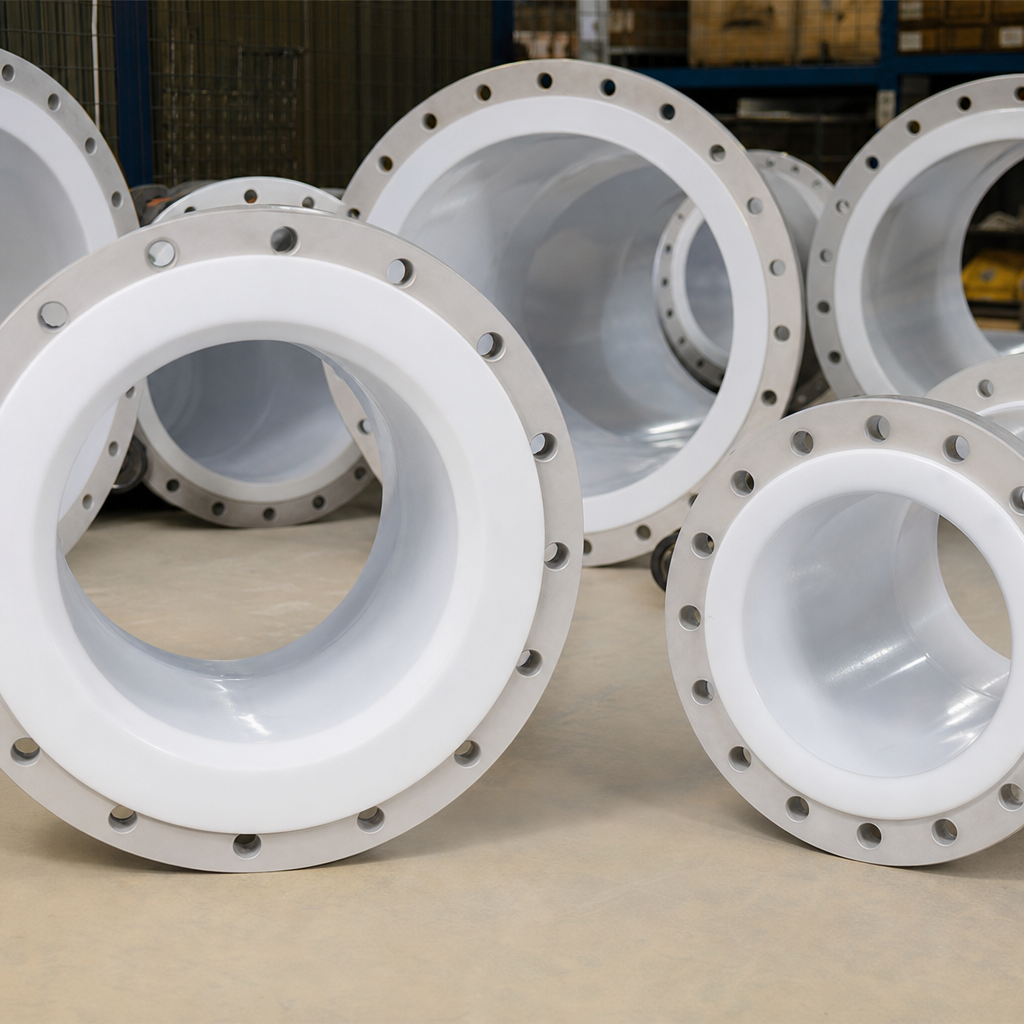
- Meat processors replacing hard‑to‑clean chutes with FEP‑lined versions
- Frozen food operations that need something that won’t crack in sub‑zero conditions
It’s not always a total refit — sometimes swapping out one or two problem areas is enough to see the benefits.
Why it lasts longer
I’ve lost count of how many “non‑stick” solutions I’ve seen fail after a year or two. FEP, when it’s applied properly, holds up. It doesn’t flake, it doesn’t peel, and it keeps its properties under constant use. That longevity means you’re not shutting down to replace parts nearly as often.
Staying ahead of inspections
Food safety inspections can be stressful, especially if you’ve got older kit. Using materials like FEP that are already approved for food contact under both EU and FDA standards removes a big headache. You know it’s compliant from day one.
Worth the investment
Let’s be honest — FEP isn’t the cheapest material out there. But when you add up reduced downtime, less waste, lower water and chemical usage, and the extended lifespan of your kit, it more than pays for itself. I’ve seen businesses recoup the cost in under two years.
Holscot’s role
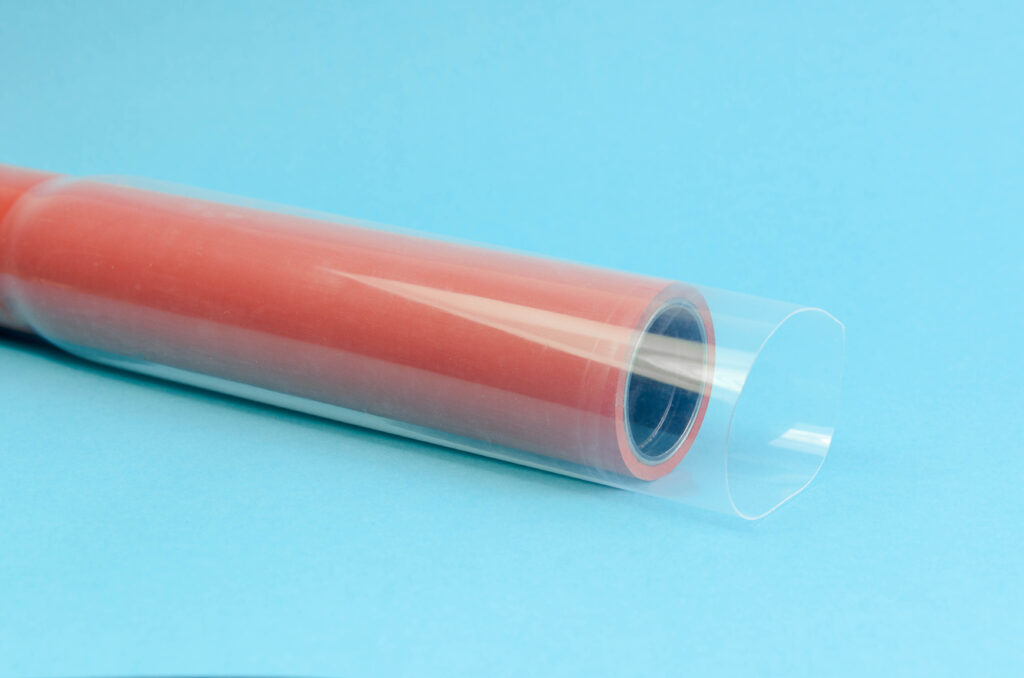
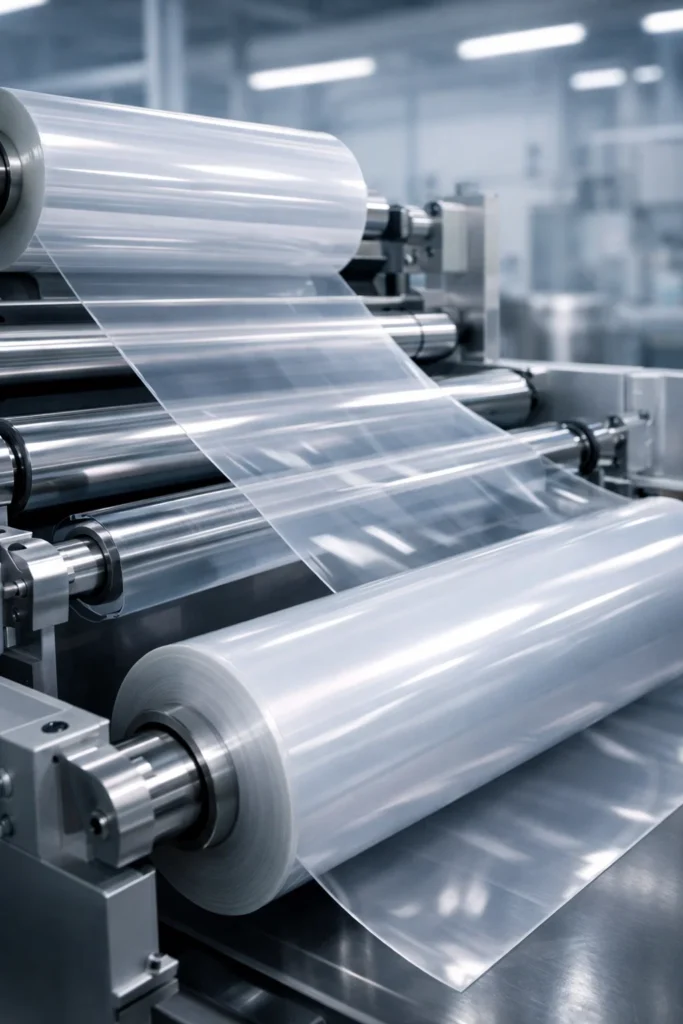
At Holscot, we’ve been working with FEP for over 50 years. We don’t just supply it — we extrude it, coat with it, heat‑shrink it, weld it. Every project is a bit different, so we design solutions around your process rather than handing you something off the shelf. That’s how you get the most out of the material.
If you’re dealing with hygiene issues or downtime from stubborn residues, it might be worth looking at FEP.