
PTFE vs ePTFE: Differences and Extrusion Process
At Holscot Fluoroplastics, we specialise in high-performance fluoropolymer solutions, including PTFE and ePTFE. These materials are renowned for their exceptional properties and diverse applications across industries. Understanding their unique characteristics and the manufacturing processes involved is crucial for selecting the right solution for your specific needs.
In this blog, we explore the key differences between PTFE and ePTFE, highlight their applications, and provide insights into the extrusion techniques we use at Holscot to deliver top-tier products to our customers.
What is PTFE?
Polytetrafluoroethylene (PTFE) is a robust synthetic fluoropolymer with outstanding properties, including:
- Exceptional chemical resistance
- High thermal stability
- Low friction and non-stick qualities
- Electrical insulation capabilities
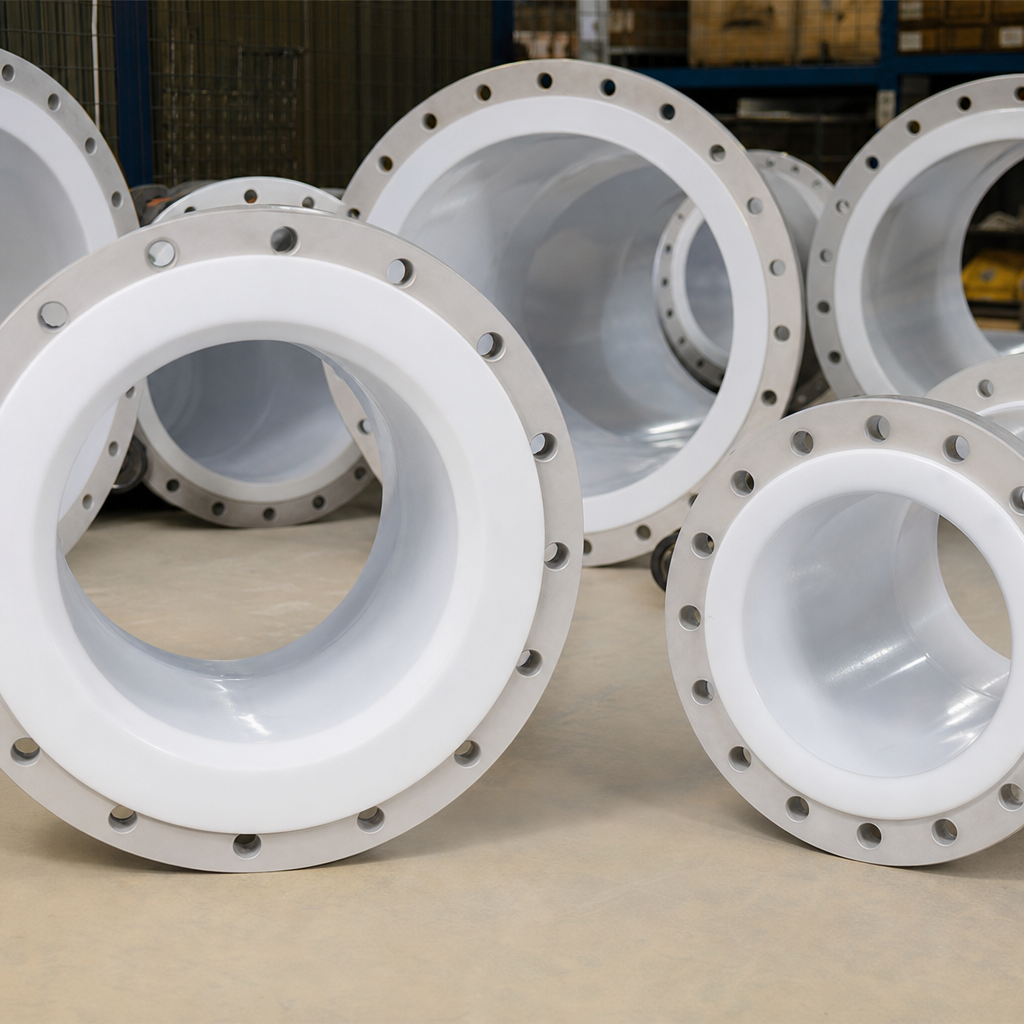
These characteristics make PTFE an industry staple, used in everything from gaskets and seals to insulating electrical components and non-stick coatings. At Holscot, we’ve been manufacturing PTFE-based products for decades, offering customised solutions for demanding environments.
What is ePTFE?
Expanded Polytetrafluoroethylene (ePTFE) is an advanced variation of PTFE, created through a specialised expansion process. This technique imparts ePTFE with a microporous structure, resulting in:
- Greater flexibility
- Gas permeability
- Lightweight durability
- High resistance to extreme temperatures
ePTFE’s enhanced properties make it ideal for critical applications, including filtration systems, medical devices, and breathable membranes. Holscot’s expertise ensures that our ePTFE solutions are tailored to meet specific industrial and medical requirements.
Key Differences Between PTFE and ePTFE
Although PTFE and ePTFE share a common base, their differences lie in structure and performance. Here’s a comparison:
| Property | PTFE | ePTFE |
| Structure | Solid | Microporous |
| Flexibility | Rigid | Highly flexible |
| Applications | Seals, insulators, coatings | Filtration, medical, apparel |
| Manufacturing Process | Extrusion and sintering | Expansion post-extrusion |
At Holscot, we produce both PTFE and ePTFE products with the utmost precision, ensuring quality and performance for our customers.
The PTFE Extrusion Process at Holscot
Manufacturing PTFE products requires a unique process due to the material’s non-melting nature. Here’s an overview of our approach:
- Mixing: PTFE powder is blended with a lubricant to create a paste.
- Pre-forming: The paste is compressed into billets.
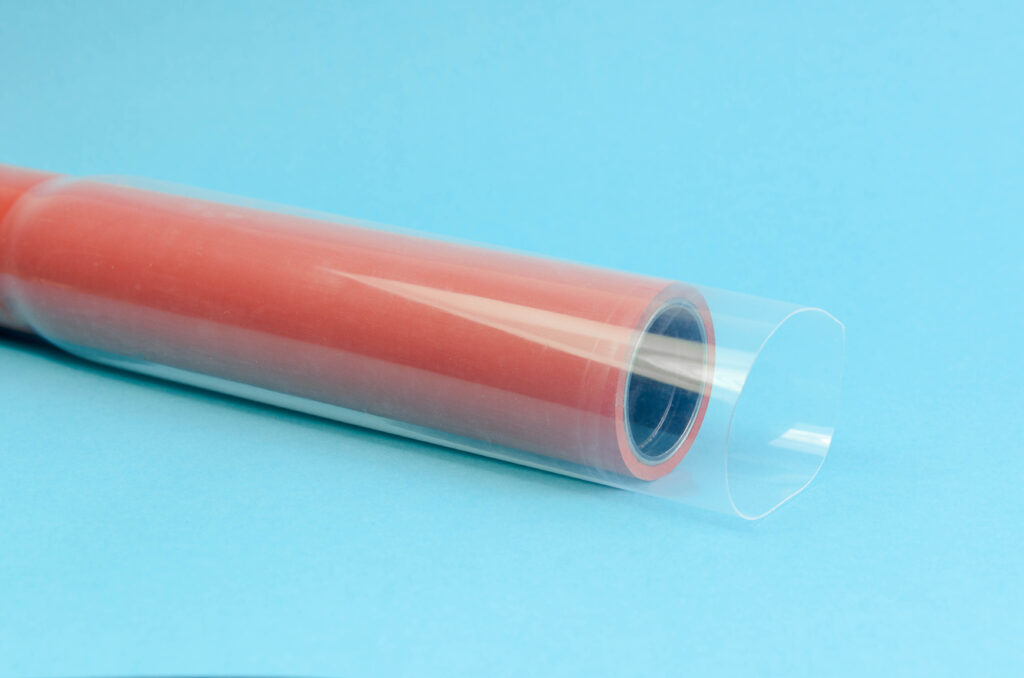
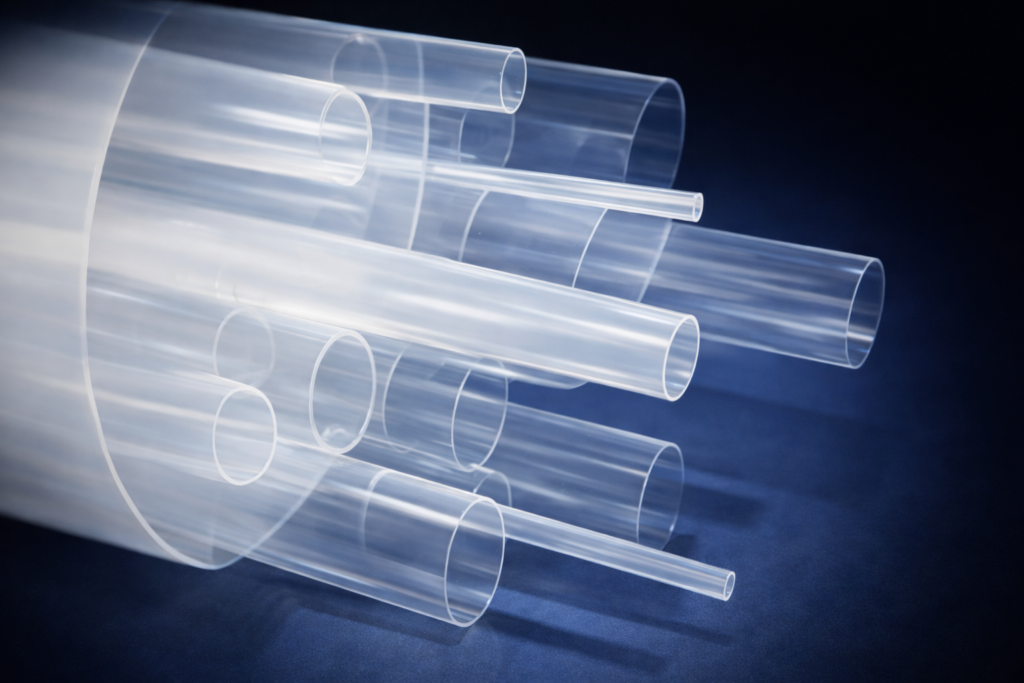
- Extrusion: The billets are extruded through a die, forming shapes like tubing or sheets.
- Sintering: The extruded material is heated to high temperatures, consolidating the PTFE and removing the lubricant.
Our PTFE extrusions are trusted in industries requiring high chemical resistance and thermal stability, such as chemical processing and aerospace.
The ePTFE Expansion Process at Holscot
To create ePTFE, we add an expansion step to the extrusion process:
- Extrusion: The raw PTFE is formed into a desired shape, such as a tube or membrane.
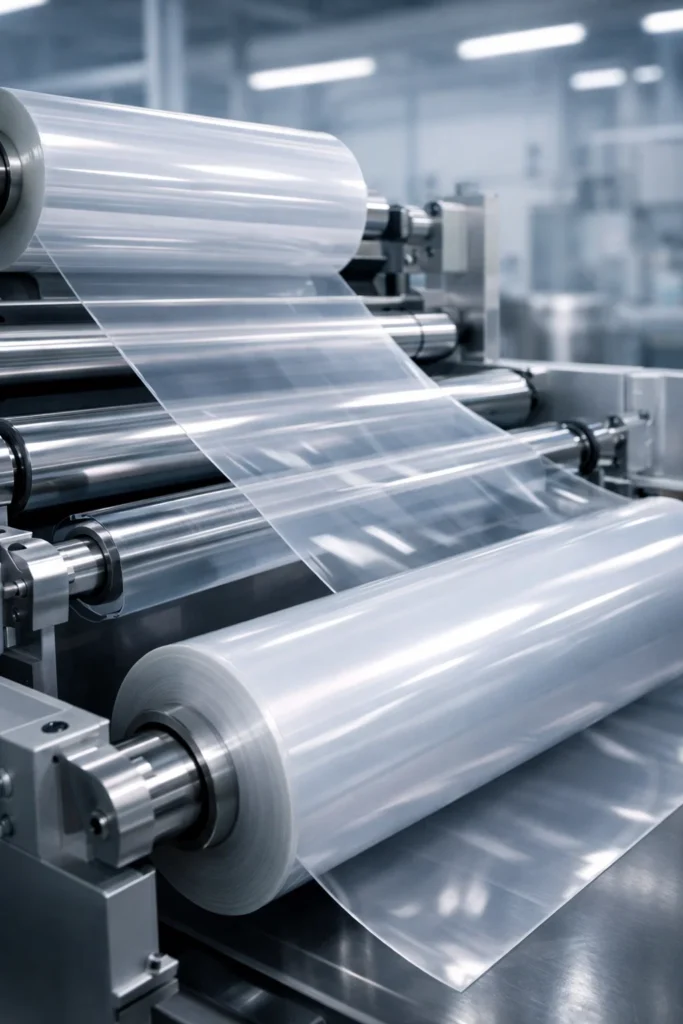
- Stretching: The extruded material is mechanically stretched under controlled temperatures, creating a microporous structure.
- Annealing: The stretched material is stabilised through heat treatment.
This process yields ePTFE products with unique properties such as gas permeability and flexibility, making them suitable for critical applications like filtration and medical implants.
Applications of PTFE and ePTFE in Industry
PTFE Applications
At Holscot, our PTFE products are widely used in:
- Sealing and Insulation: PTFE gaskets and seals are ideal for extreme environments due to their chemical and thermal resistance.
- Non-Stick Coatings: Used in industrial and food-grade applications for their low-friction properties.
- Electrical Components: PTFE’s excellent dielectric properties make it a top choice for insulation.
ePTFE Applications
Our ePTFE offerings excel in:
- Filtration: Microporous ePTFE membranes are used in industrial and medical filtration systems.
- Medical Devices: Biocompatible and flexible, ePTFE is perfect for implants and surgical applications.
- Breathable Membranes: Lightweight and durable, ePTFE is widely used in outdoor gear and apparel.
Why Choose Holscot for PTFE and ePTFE Solutions?
With over 50 years of expertise, Holscot is a pioneer in fluoropolymer technology. Our custom PTFE and ePTFE solutions cater to diverse industries, offering unmatched performance and reliability. Whether you require bespoke tubing, films, or membranes, we have the capabilities to deliver.
Here’s what sets us apart:
- Customisation: Tailored solutions to meet specific requirements.
- Quality Assurance: All products undergo rigorous testing to ensure they meet industry standards.
- Innovative Processes: Advanced manufacturing techniques for PTFE and ePTFE products.
Environmental Responsibility at Holscot
We understand the environmental concerns surrounding fluoropolymers and strive to minimise our impact through sustainable practices. Our focus on durability and recyclability ensures our products contribute to long-term value while reducing waste.
Choosing the Right Material for Your Needs
Selecting between PTFE and ePTFE depends on your specific application. For high-strength, chemically resistant solutions, PTFE is often the best choice. On the other hand, applications requiring breathability, flexibility, or lightweight properties benefit from ePTFE.
Our team at Holscot can guide you in selecting the most suitable material for your project.
Contact Holscot Today
Looking for high-quality PTFE or ePTFE solutions? Holscot Fluoroplastics is here to help. From tubing and seals to membranes and gaskets, our products are designed to meet your exact requirements.
Visit our website at Holscot Fluoroplastics or contact our team directly to learn more about our custom solutions.