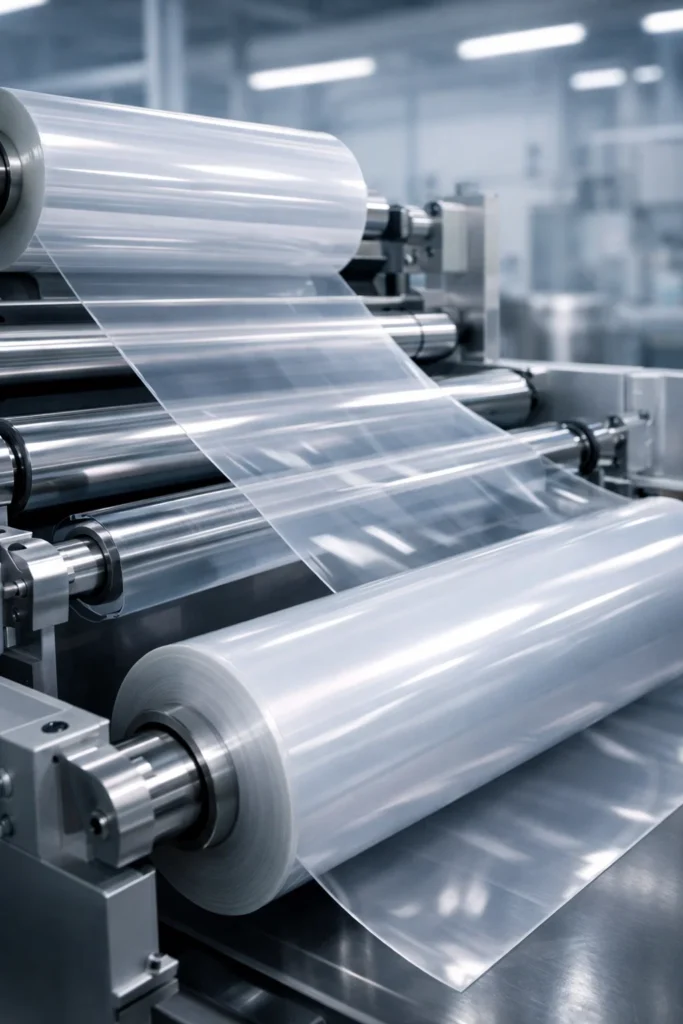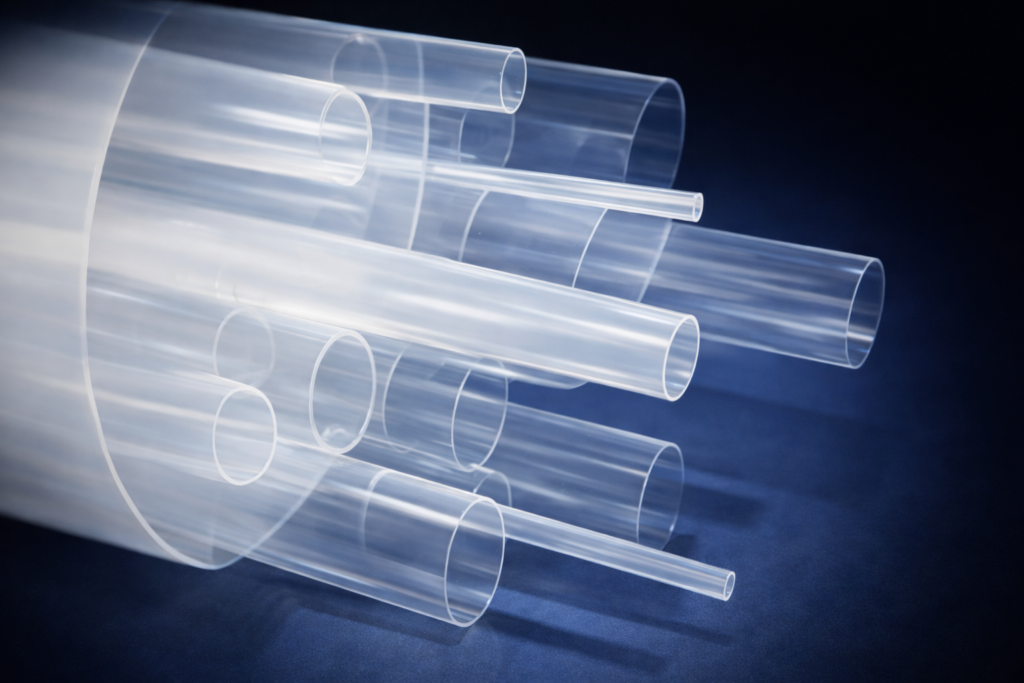

ETFE (Ethylene Tetrafluoroethylene) is an advanced fluoropolymer that has gained popularity as a building material in recent years. Known for its lightweight yet durable properties, ETFE is increasingly being considered as an alternative to traditional materials like glass. But is ETFE really better than glass? Let’s explore this question by comparing their features, discussing ETFE’s lifespan, evaluating its environmental impact, and highlighting its key benefits.
ETFE vs Glass
When comparing ETFE and glass, it is essential to consider their respective properties and applications. Glass has been a staple in architecture for centuries, renowned for its transparency, rigidity, and versatility. However, ETFE is challenging glass’s dominance by offering a modern, high-performance alternative.
Weight: One of the most significant differences between ETFE and glass is weight. ETFE is approximately 1% of the weight of glass, making it ideal for structures that require minimal load-bearing capacity. This lightweight property enables architects to design more ambitious, free-form shapes that would be difficult or impossible with glass.
Transparency: ETFE has exceptional light transmission capabilities, allowing up to 95% of natural light to pass through. While glass can match this in terms of clarity, ETFE’s light-diffusing properties help eliminate glare and create a softer, more evenly distributed light.
Durability: ETFE is highly resistant to UV radiation, chemical corrosion, and extreme temperatures. While glass can shatter under stress or impact, ETFE is more flexible and can absorb energy without breaking, reducing the risk of structural failure.
Maintenance: ETFE is self-cleaning due to its non-stick surface. Dirt and debris slide off when it rains, whereas glass often requires regular cleaning to maintain its appearance. This makes ETFE a cost-effective and low-maintenance choice for large-scale projects.
What Is the Lifespan of ETFE?
One of the critical factors in evaluating a building material’s viability is its lifespan. ETFE has an impressive lifespan of 30 to 50 years, depending on the specific application and environmental conditions. This durability is attributed to its exceptional resistance to degradation.
Unlike glass, which can suffer from scratches, chips, and cracks over time, ETFE retains its structural integrity even under harsh conditions. Its ability to withstand UV radiation without yellowing or losing transparency ensures that it remains visually appealing and functional for decades.
Additionally, ETFE’s lightweight nature reduces stress on supporting structures, potentially prolonging the overall lifespan of the architectural project. This durability makes it a long-term investment for developers and architects alike.
Is ETFE Eco-Friendly?
As sustainability becomes a key consideration in construction, the environmental impact of materials like ETFE and glass must be assessed. ETFE is often hailed as an eco-friendly option for several reasons:
Energy Efficiency: ETFE’s excellent thermal insulation properties can help reduce energy consumption in buildings. By minimising heat loss in winter and preventing heat gain in summer, it reduces the need for artificial heating and cooling systems, lowering a building’s carbon footprint.
Low Carbon Footprint: The production of ETFE consumes significantly less energy than that of glass. Additionally, its lightweight nature reduces transportation costs and emissions compared to the heavy machinery and logistics required for glass.
Recyclability: ETFE is fully recyclable. At the end of its life, ETFE membranes can be repurposed or reprocessed into new products, further contributing to its environmental credentials.
Reduced Maintenance Impact: The self-cleaning properties of ETFE reduce the need for water and cleaning chemicals, contributing to lower environmental impact over the material’s lifespan.
While glass can also be recycled, its production and transport are more energy-intensive. In this regard, ETFE is a strong contender for eco-conscious construction projects.
What Are the Benefits of ETFE?
The popularity of ETFE in modern architecture is largely due to its array of benefits, which extend beyond its durability and eco-friendliness. Here are some of the standout advantages of ETFE:
- Design Flexibility: ETFE’s lightweight and flexible nature enables architects to create innovative and dynamic structures. From stadiums to botanical gardens, ETFE can be moulded into unique forms that would be challenging with traditional materials.
- Cost-Effectiveness: Although the initial cost of ETFE may be higher than some alternatives, its low maintenance requirements, long lifespan, and reduced structural demands make it a cost-effective choice over time.
- High Light Transmission: ETFE’s ability to transmit natural light enhances the aesthetic appeal of a building while reducing the need for artificial lighting. This not only improves energy efficiency but also creates more inviting interior spaces.
- Weather Resistance: ETFE performs exceptionally well in extreme weather conditions. Whether it’s heavy snow, high winds, or intense sunlight, ETFE remains resilient and functional.
- Fire Safety: ETFE has excellent fire retardant properties and does not release toxic fumes when exposed to high temperatures. This makes it a safe option for public spaces.
- Ease of Installation: Thanks to its lightweight and flexible properties, ETFE is easier and faster to install than glass. This can lead to significant savings in labour costs and construction time.
Conclusion
While glass remains a classic and versatile building material, ETFE offers several advantages that make it a superior choice for specific applications. Its lightweight, durable, and eco-friendly nature, combined with its flexibility and low maintenance, make it a standout option for modern architecture.
For projects where innovation, sustainability, and cost-efficiency are priorities, ETFE provides a compelling alternative to glass. By understanding the unique properties of each material, architects and developers can make informed decisions that align with their project goals and environmental objectives.
Holscot Advanced Polymers
At Holscot Advanced Polymers we can manufacture in the UK our own ETFE film, and procure other ETFE film depending on our customers requirements.
We have a patented ETFE (or FEP) panel system that offers customers the benefits of ETFE over glass panes, without the need for inflated pillow cushions as per many of the architectural designs.
Follow this link to learn more. ETFE Panels – Architectural Structures by Holscot
An interesting case study is detailed here. Ryewater Nurseries – Holscot Advanced Polymers Ltd